
A garage door is one of the most frequently used moving systems in a home. Many homeowners open and close it several times each day without thinking about the parts working behind the scenes. Springs, rollers, cables, tracks, hinges, sensors, and the opener all have to work together properly. Over time, these components can become worn, loose, noisy, or misaligned. Regular maintenance can help prevent small problems from becoming expensive repairs.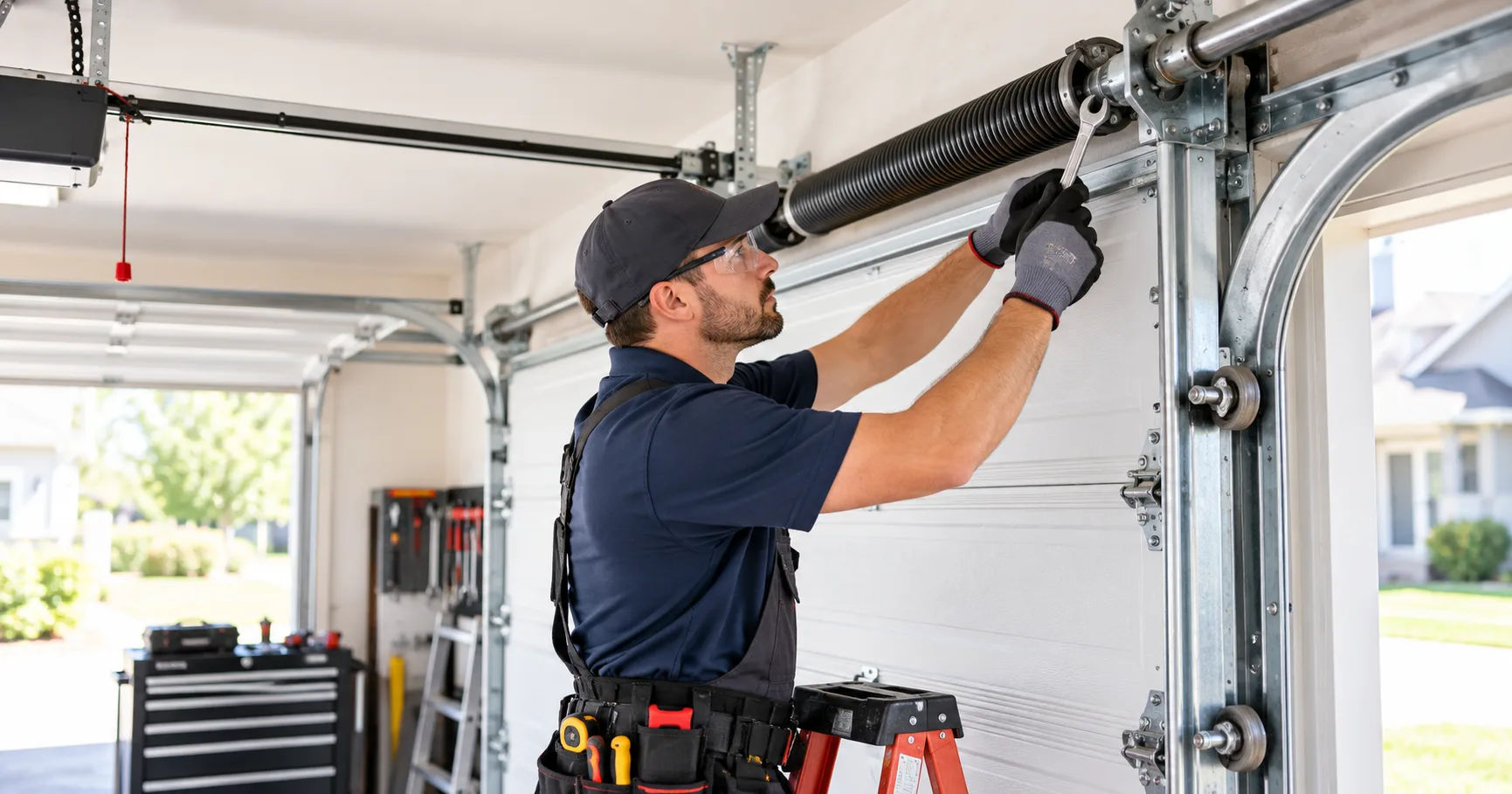
For homeowners wondering whether garage door maintenance is available locally, the answer is generally yes. Residential Garage Door Services in Surprise AZ commonly include maintenance and tune-up options designed to keep garage doors operating smoothly. A tune-up is more than simply spraying lubricant on a few parts. A proper service involves inspecting important components, making adjustments, testing safety features, and identifying signs of wear.
Understanding what a garage door tune-up includes can help homeowners decide when to schedule one. It can also make it easier to recognize the difference between routine maintenance and an emergency repair. This guide explains what a tune-up involves, why it matters, how often it should be performed, what technicians inspect, and when professional service is especially important.
What Is a Garage Door Tune-Up?
A garage door tune-up is a preventive maintenance service intended to keep the entire door system functioning safely and efficiently. During a tune-up, a technician examines the major mechanical and electrical components and looks for problems that could affect performance.
Garage doors are heavy systems. Even a relatively small issue with a spring, cable, roller, or track can eventually affect the way the entire door moves. A tune-up provides an opportunity to find these issues before they lead to a sudden failure.
The exact service can vary between companies, but a professional tune-up often includes inspection, lubrication, adjustment, safety testing, and basic maintenance.
What Does a Garage Door Tune-Up Include?
Inspection of Springs
Garage door springs play a major role in balancing the weight of the door. They are under significant tension and gradually wear down through normal use.
A technician can inspect the springs for visible damage, corrosion, stretching, or other signs of deterioration. If a spring appears unsafe or broken, it may require replacement rather than adjustment.
Homeowners should never attempt to remove or replace high-tension garage door springs themselves. Incorrect handling can result in serious injury.
Checking Cables and Pulleys
Cables help transfer the force produced by the springs and allow the door to move correctly. During a tune-up, technicians can look for fraying, rust, looseness, or unusual wear.
Pulleys and related hardware are also checked for problems. If a cable appears damaged, continued operation may put additional stress on other components.
Professional Residential Garage Door Services in Surprise AZ can identify these concerns during routine maintenance and recommend appropriate repairs when necessary.
Inspecting Rollers
Rollers allow the garage door to travel along its tracks. Worn rollers can create grinding, squeaking, rattling, or popping sounds.
A technician may inspect each roller and determine whether it needs lubrication, adjustment, or replacement. Smooth-running rollers can reduce unnecessary resistance and help the door operate more quietly.
Examining Tracks
Garage door tracks guide the rollers as the door moves up and down. Tracks can become dirty, bent, loose, or misaligned.
During a tune-up, the technician checks the tracks and mounting hardware. Minor alignment problems may sometimes be corrected as part of maintenance.
A severely bent track may require repair or replacement. Attempting to force a door through a damaged track can make the problem worse.
Why Are Garage Door Tune-Ups Important?
They Can Help Prevent Unexpected Breakdowns
A garage door problem often starts with a relatively minor issue. A loose bolt, worn roller, or deteriorating cable may not seem urgent at first.
However, continued operation can place additional stress on other parts. Preventive maintenance gives homeowners an opportunity to address developing problems before they become major failures.
They Support Safer Operation
Safety is one of the most important reasons to maintain a garage door. A properly functioning door should respond correctly to its safety systems and should not move unpredictably.
During a tune-up, a technician can test the door's safety features and inspect components that influence its movement.
They Can Improve Performance
A properly maintained garage door generally moves more smoothly than one that has been neglected. Reduced friction and properly adjusted components can help the system operate more consistently.
Homeowners may notice fewer unusual noises, smoother travel, and more reliable opening and closing after maintenance.
They May Extend Component Life
Garage door components are designed for repeated use, but they are not immune to wear. Regular inspection and lubrication can reduce unnecessary friction and help identify problems early.
Maintenance cannot prevent every component from eventually wearing out. Springs and other parts have finite lifespans. However, routine care can help keep the system in better working condition.
How Often Should a Garage Door Be Tuned Up?
There is no single schedule that applies perfectly to every household. Usage, weather, door design, component quality, and the age of the system can all influence maintenance needs.
For many homeowners, an annual inspection or tune-up is a reasonable maintenance practice. A garage door that is used many times each day may benefit from more frequent attention.
Older doors may also need more regular inspections because their components can experience accumulated wear.
If a garage door has recently received a major repair or replacement, following the technician's recommended maintenance schedule can also be useful.
Signs That Your Garage Door Needs a Tune-Up
Unusual Noises
A garage door does not need to be completely silent, but sudden changes in sound deserve attention.
Grinding, squealing, popping, scraping, or excessive rattling may indicate worn rollers, loose hardware, poor lubrication, or another mechanical issue.
Slow or Uneven Movement
A healthy garage door should generally move in a controlled and consistent manner. If one side appears to move differently from the other, the door may have a balance or alignment problem.
Slow movement can also be related to the opener, rollers, springs, tracks, or other components.
Shaking or Jerking
A door that shakes or jerks while opening or closing should not be ignored. The cause could range from worn rollers to track problems or an issue with the door's balance.
A professional inspection can help determine what is actually causing the behavior.
The Door Does Not Stay Open
A properly balanced garage door should not unexpectedly fall or drift downward when manually opened under appropriate conditions.
If a door struggles to remain open, there may be an issue with its springs or balance. This is a good reason to request professional service.
The Opener Works Hard
If the garage door opener suddenly sounds louder or seems to struggle, the problem may not be the opener itself.
Mechanical resistance from the door can cause the opener to work harder. A tune-up can help determine whether the door's moving components are contributing to the problem.
What Happens During a Professional Tune-Up?
A professional visit usually begins with a visual inspection. The technician evaluates the door, hardware, tracks, springs, cables, rollers, hinges, and opener.
The door may then be tested through several opening and closing cycles. This allows the technician to observe its movement and listen for unusual sounds.
Moving components may be lubricated with products appropriate for garage door equipment. Loose hardware can be checked and adjusted where appropriate.
The technician may also inspect the opener's mounting, drive components, controls, and safety sensors.
Safety features are particularly important. Photo-eye sensors should be properly positioned and functioning correctly. The technician may also test the door's reversing response.
If the inspection reveals a worn or damaged component, the homeowner should receive an explanation of the problem and the recommended repair.
Is a Tune-Up the Same as a Repair?
No. A tune-up is primarily preventive maintenance, while a repair addresses a specific existing failure or damaged component.
For example, lubricating rollers and checking hardware would normally fall under maintenance. Replacing a broken spring or damaged cable is a repair.
Sometimes a tune-up discovers a problem that requires immediate attention. In that situation, the technician may recommend completing the repair before continuing normal use of the door.
This distinction is important because maintenance is not designed to make a seriously damaged component safe. A broken spring, severely damaged track, or frayed cable may require replacement.
Can Homeowners Perform Garage Door Maintenance?
Some basic maintenance tasks can be handled by homeowners, but caution is essential.
Homeowners can keep the garage area clear, observe the door during operation, listen for unusual noises, and visually check for obvious damage.
They can also keep tracks reasonably clean and make sure nothing blocks the safety sensors.
However, homeowners should avoid working directly with high-tension springs and cables. These components can store substantial mechanical energy.
Professional Residential Garage Door Services in Surprise AZ can handle specialized inspections and adjustments that require appropriate knowledge, tools, and safety procedures.
How Does Arizona Weather Affect Garage Doors?
Garage doors in Surprise and surrounding Arizona communities can experience demanding environmental conditions. Heat, dust, sunlight, and temperature changes can contribute to wear over time.
Dust can accumulate around moving components and tracks. Excessive heat can also affect certain materials and lubricants.
Weather does not mean every garage door requires unusually frequent maintenance, but local conditions are worth considering when creating a maintenance routine.
Homeowners should pay attention to changes in noise, movement, balance, and appearance rather than waiting for a complete breakdown.
Choosing a Garage Door Service Provider
When looking for Residential Garage Door Services in Surprise AZ, homeowners should consider more than the advertised price.
A reputable provider should clearly explain what the tune-up includes. Ask whether the inspection covers springs, cables, rollers, tracks, hinges, opener components, and safety systems.
It is also helpful to ask about additional repair costs before authorizing work. A transparent technician should explain why a repair is recommended instead of simply presenting an unexpected bill.
Experience is another useful consideration. Garage doors contain multiple interconnected components, so proper diagnosis matters.
Homeowners can also check customer reviews and look for information about warranties or guarantees when comparing service providers.
Questions to Ask Before Scheduling a Tune-Up
Before booking service, homeowners may want to ask a few practical questions.
Find out what is included in the tune-up and whether lubrication and safety testing are part of the service.
Ask whether the company charges a separate inspection or service-call fee.
It is also useful to ask what happens if the technician discovers a damaged component. Will the homeowner receive a repair estimate before work begins?
Finally, ask whether the technician will test the door after maintenance is completed. Testing is important because adjustments should be verified through actual operation.
When Should You Call for Immediate Service?
Routine maintenance is different from urgent service. Certain situations should not wait for the next scheduled tune-up.
A broken spring can leave the door extremely heavy and difficult to operate. A loose or damaged cable can create a safety concern. A door that has come off its tracks may also require immediate professional attention.
If the door is stuck open or closed, homeowners should avoid repeatedly forcing it to move.
Likewise, if a door begins falling unexpectedly, stop using it and contact a qualified professional.
The safest approach is to avoid experimenting with components that are under tension or supporting significant weight.
How Tune-Ups Can Help With Long-Term Garage Door Costs
Preventive maintenance can make financial sense because small problems are often easier to address than major failures.
For example, identifying a worn roller during an inspection may allow it to be replaced before additional components are affected.
Maintenance also gives homeowners a better understanding of the condition of their garage door. Instead of discovering a problem when the door refuses to open, they may have an opportunity to plan a repair.
A tune-up does not guarantee that a garage door will never break. Every mechanical system eventually experiences wear. However, regular attention can make maintenance more predictable.
Common Misconceptions About Garage Door Tune-Ups
One common misconception is that a tune-up is only necessary when the garage door is making noise. In reality, some developing problems may not produce obvious sounds.
Another misconception is that newer garage doors never require maintenance. New equipment still contains moving parts that require inspection and proper care.
Some homeowners also believe that adding lubricant to every visible component is enough. Over-lubrication or using the wrong product can create additional problems.
A professional tune-up is more comprehensive because it combines inspection, testing, adjustment, and maintenance.
A Practical Maintenance Approach for Homeowners
Homeowners can take a simple preventive approach throughout the year.
Pay attention to how the door normally sounds and moves. Changes are often easier to recognize when you know the system's normal behavior.
Keep the garage door area free of objects that could interfere with operation.
Check that safety sensors remain unobstructed and properly positioned.
Schedule professional inspections periodically, particularly if the door is older, heavily used, or showing signs of wear.
Most importantly, do not ignore unusual behavior. A small change can be an early indication of a component that needs attention.
Conclusion
Yes, homeowners can generally find tune-up and preventive maintenance options through Residential Garage Door Services in Surprise AZ. These services are designed to inspect the garage door system, maintain moving components, test safety features, and identify developing problems before they become more serious.
A garage door tune-up can include checking springs, cables, rollers, tracks, hinges, opener components, fasteners, and safety sensors. Depending on the condition of the system, the technician may lubricate appropriate components, make adjustments, and recommend repairs for worn or damaged parts.
Regular maintenance is particularly useful because garage doors experience repeated mechanical stress. A door that works correctly today can still develop problems over time. Watching for unusual noises, uneven movement, shaking, slow operation, or difficulty staying open can help homeowners recognize when professional attention may be needed.
It is also important to understand the limits of DIY maintenance. Simple visual checks and keeping the area clear are reasonable homeowner tasks, but high-tension springs, cables, and serious mechanical problems should be handled by trained professionals.
For homeowners in Surprise, AZ, choosing a reliable service provider and maintaining the garage door regularly can support safer, smoother, and more dependable operation. A tune-up is not simply an extra service. It is a practical way to monitor the condition of an important part of the home and address wear before it develops into a larger problem.