
Chicago is famous for its diverse food culture, from deep-dish pizza and Italian beef sandwiches to neighborhood burger joints that put their own spin on classic American comfort food. Among the growing favorites are smash burgers, which attract attention for their thin patties, deeply browned surfaces, crunchy edges, and juicy centers. Their appeal comes from a simple cooking technique that transforms ordinary ground beef into something rich in flavor and satisfying in texture.
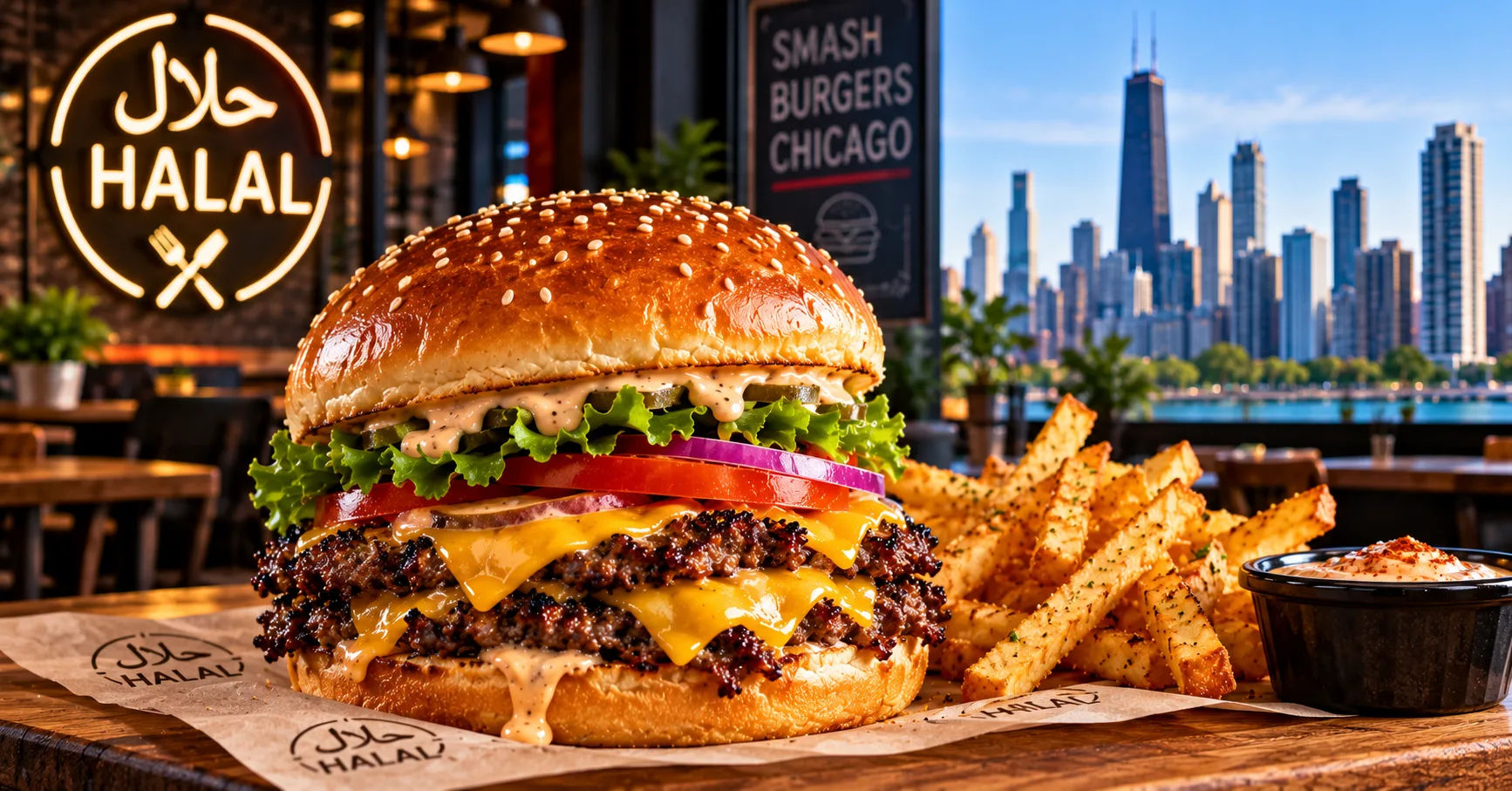
One reason Smash Burgers in Chicago stand out is the way skilled cooks combine high heat, carefully selected beef, and precise cooking techniques. Instead of shaping thick patties and grilling them slowly, they press small balls of ground beef onto a hot, flat cooking surface. This creates maximum contact between the meat and the metal, helping the outside develop a flavorful crust while the inside cooks quickly.
However, crispiness is not the result of one secret ingredient. It depends on several factors, including the fat content of the beef, the temperature of the griddle, the pressure used when smashing, and the timing of each step. Bun selection, toppings, and the way the burger is assembled also influence the final experience.
Understanding these details explains why a well-made smash burger can have such a distinctive crunch without becoming dry or tough. Whether you are a burger enthusiast, a home cook, or someone curious about Chicago's food scene, this guide explores the techniques and ingredients behind those irresistible crispy edges.
What Makes a Smash Burger Different From a Regular Burger?
A smash burger differs from a traditional burger mainly in the way the patty is formed and cooked.
A conventional burger usually begins as a thick, round patty. It is placed on a grill or skillet and cooked until the center reaches the desired level of doneness. Because the patty is relatively thick, its exterior and interior develop at different rates.
A smash burger begins with a loose ball of ground beef. The cook places it on a hot, flat surface and presses it into a thin patty. This spreads the meat across a larger area and increases its contact with the cooking surface.
The result is a greater proportion of browned exterior compared with a thick burger. The thin shape also allows the patty to cook quickly, producing crisp edges and a concentrated beef flavor.
Chicago restaurants that specialize in this style may add their own touches, such as particular beef blends, seasoning methods, toasted buns, or signature sauces. The basic technique, however, remains the foundation of the burger's texture.
Why Thin Patties Develop More Crispiness
Crispiness depends partly on how much of the meat touches the hot griddle. When beef is spread into a thin layer, a larger portion of its surface can brown directly against the metal.
This produces a thin, flavorful crust rather than a thick, soft exterior. The edges may become especially crisp because they are thin and exposed to heat.
A thicker patty has less surface area relative to its volume. It can still develop excellent browning, but it generally will not have the same high proportion of crispy edges as a smash burger.
The Importance of the Maillard Reaction
The Maillard reaction is one of the main scientific reasons smash burgers taste so good. It is a series of chemical reactions between amino acids and reducing sugars that occurs when food surfaces become sufficiently hot and dry.
These reactions create hundreds of flavor compounds associated with browned meat, toasted bread, and roasted foods.
For a smash burger, the Maillard reaction produces the deep brown crust that gives the patty its savory aroma and rich taste. The key is allowing the beef to brown against the griddle rather than moving it around constantly.
A properly developed crust adds both flavor and texture, making every bite more satisfying.
The Main Reasons Smash Burgers in Chicago Are Crispy
Several cooking techniques work together to create the crunchy exterior that burger lovers appreciate. Restaurants may have different recipes, but the same basic principles explain why the method works.
1. High Heat Creates a Golden-Brown Crust
The temperature of the cooking surface is one of the most important factors in achieving crispiness. A hot griddle transfers heat rapidly to the beef, helping its surface brown before the patty becomes overcooked.
If the griddle is not hot enough, the meat may release moisture and begin steaming instead of browning. This can leave the outside gray, soft, and less flavorful.
A properly heated flat-top griddle helps create a dark, savory crust in a relatively short time. Experienced cooks learn to manage the heat so that the exterior browns without burning.
However, hotter is not always better. Excessive heat can scorch the meat, burn accumulated grease, or cause smoke. The goal is strong, controlled heat that encourages browning while allowing the patty to cook safely.
2. The Right Beef-to-Fat Ratio Improves Texture
Ground beef contains both lean meat and fat, and their proportions affect the burger's flavor and texture.
Many cooks prefer beef containing approximately 20% fat for smash burgers. The fat contributes flavor, helps the meat brown attractively, and makes the finished patty more satisfying.
Lean beef can still produce a crispy surface, but the patty may taste drier if it is cooked too aggressively. On the other hand, excessively fatty beef can release large amounts of grease, making cooking more difficult.
Chicago burger restaurants may use different beef blends depending on their recipes and desired results. Some emphasize a rich beef flavor, while others focus on balancing crisp edges with a tender center.
The quality, freshness, and consistency of the ground beef matter just as much as its fat content.
3. Smashing the Beef at the Right Time
Timing is another important part of the process. The beef ball should be pressed onto the griddle immediately after it makes contact with the hot surface.
This allows the meat to spread while the surface is still flexible. Pressing early creates a thin patty with a broad contact area, helping the crust develop evenly.
Waiting too long before smashing can make the task more difficult because the bottom layer may already have begun to cook and stick.
Once the patty has been pressed, it should be left undisturbed until the crust forms. Repeatedly pressing it or moving it around can interfere with browning and squeeze out flavorful juices.
This simple combination of early pressure and patient cooking makes a significant difference.
4. A Flat-Top Griddle Provides Consistent Contact
Many smash burger specialists use flat-top griddles rather than traditional open-flame grills.
A flat cooking surface allows most of the patty to remain in direct contact with the heated metal. This helps produce even browning across the bottom and supports the development of crispy edges.
A traditional grill has raised bars and spaces between them. Although it can create attractive grill marks and smoky flavors, it does not provide the same continuous contact across the patty.
A heavy flat-top surface also tends to retain heat well. This is particularly helpful in busy restaurants where several burgers may be cooked in succession.
The equipment alone does not guarantee a perfect result, but a well-managed griddle makes the technique easier to control.
5. Leaving the Patty Alone Helps Preserve the Crust
Patience is essential when cooking a smash burger. Once the beef has been pressed and seasoned, the cook should allow the first side to brown without unnecessary movement.
If the patty is flipped too soon, its crust may tear or remain stuck to the griddle. Waiting until the browned surface has developed makes it easier to lift the meat while preserving its texture.
The patty should generally be flipped once, then cooked until it reaches a safe internal temperature.
Pressing it repeatedly with a spatula is another common mistake. Although it may seem like extra pressure will make the burger crispier, doing so after the initial smash can push out fat and juices without improving the crust.
How Chicago Burger Restaurants Build Flavor
Crispiness attracts attention, but flavor is what encourages people to return. A successful smash burger combines the browned beef with ingredients that complement its rich taste.
Seasoning at the Right Moment
Many cooks keep the seasoning simple. Salt and black pepper can bring out the natural flavor of the beef without covering it up.
Salt can also draw moisture toward the surface if applied too early, depending on how the meat is handled. For a straightforward smash burger, many cooks season the patty just before or immediately after smashing.
The exact method varies by kitchen, but the goal remains the same: allow the beef to develop a flavorful crust without making the surface unnecessarily wet.
Cheese Adds Creaminess
American-style cheese is a popular choice because it melts smoothly over a thin patty. Cheddar and other suitable cheeses can also work well.
The creamy texture contrasts with the crisp exterior, making each bite more interesting. Cheese also helps connect the meat with the other toppings.
For a double smash burger, two thin patties are often layered with cheese between or over them. This creates a combination of browned edges, soft cheese, and savory beef in each bite.
Onions and Pickles Balance the Richness
Onions can add sharpness, sweetness, or both, depending on how they are prepared. Thin raw onions offer a fresh, pungent bite, while cooked onions become softer and sweeter.
Pickles provide acidity, which balances the richness of beef and cheese. Lettuce and tomatoes can add freshness, although some smash burger styles keep toppings minimal to preserve the focus on the patty.
The best toppings are not necessarily the most elaborate ones. A few carefully chosen ingredients often work better than a crowded burger.
The Role of the Bun in a Crispy Smash Burger
The patty may be the main attraction, but the bun plays an important role in the overall texture.
A good bun should be soft enough to bite through easily while remaining strong enough to hold the meat, melted cheese, and sauce. Brioche, potato rolls, and classic sesame buns are common choices.
Why Toasting the Bun Matters
Toasting the cut sides of a bun on a hot griddle creates a lightly browned surface and adds a pleasant toasted flavor.
It also helps the bread resist moisture from the meat juices and sauce. Without toasting, a soft bun may become soggy before the burger is finished.
The bun should be golden rather than hard or burnt. A little crispness on the inside provides a nice contrast with the soft center of the bread.
Choosing the Right Sauce
Burger sauce adds moisture and flavor, but too much can overwhelm the meat or soften the crispy patty.
A simple combination of mayonnaise, ketchup, mustard, and chopped pickles can provide creaminess, sweetness, and acidity. Some restaurants use their own signature sauces to distinguish their burgers from competitors.
The important thing is balance. A thin layer of sauce enhances the burger, while an excessive amount can make it messy and difficult to eat.
Why Cooking Speed Matters
Smash burgers cook relatively quickly because the patties are thin. This short cooking time helps create a strong contrast between the browned exterior and the interior.
The thin shape allows heat to move through the meat more quickly than it would through a thick patty. However, quick cooking does not mean that food safety should be ignored.
Ground beef can contain harmful bacteria throughout the meat, not just on its surface. For this reason, ground beef should reach an internal temperature of 71°C (160°F), verified with a food thermometer.
Restaurant cooks must balance speed with safe handling and proper cooking. The objective is a flavorful, well-browned burger that is also safe to eat.
Managing Heat During Busy Service
In a busy restaurant, repeated batches of cold meat can reduce the temperature of the griddle. If too many patties are added at once, they may release moisture and brown less effectively.
Cooking in manageable batches helps maintain consistent heat. A clean, well-maintained surface also makes it easier to control browning and avoid unwanted burnt flavors from accumulated residue.
These details may seem small, but they can determine whether a burger comes out consistently crisp or disappointingly soft.
Can You Make Chicago-Style Crispy Smash Burgers at Home?
Yes. You can recreate many of the techniques used by smash burger restaurants with ordinary kitchen equipment.
Ingredients for Two Double Smash Burgers
-
400 grams of ground beef, ideally around 20% fat
-
Two soft burger buns
-
Four slices of melting cheese
-
Salt and black pepper
-
Thinly sliced onions
-
Pickles and lettuce, if desired
-
Burger sauce
-
A small amount of cooking oil, if required by your pan
Step 1: Prepare the Beef
Divide the beef into four equal portions of approximately 100 grams each. Roll each portion gently into a loose ball.
Keep the meat refrigerated until you are ready to cook, and wash your hands and preparation tools after handling raw beef.
Step 2: Heat a Heavy Pan
Place a cast-iron skillet or heavy flat pan over medium-high to high heat. Allow it to heat thoroughly.
A heavy pan is useful because it retains heat well. Avoid adding too much oil, particularly if the beef already contains a generous amount of fat.
Step 3: Smash Immediately
Place one ball of beef on the hot surface and press it firmly into a thin patty with a sturdy spatula.
A small piece of parchment paper can help prevent sticking. Press once, using enough force to spread the beef evenly, and then remove the spatula.
Step 4: Season and Brown
Season the exposed side with salt and pepper. Allow the first side to brown without moving the patty unnecessarily.
Once a deep brown crust has developed, scrape underneath the patty and flip it carefully. Add cheese and cook until the patty reaches the recommended safe internal temperature of 71°C (160°F).
Step 5: Toast and Assemble
Toast the cut sides of the buns on the pan. Spread on a little sauce, then add the cheesy patties, onions, and pickles.
Serve the burgers immediately to enjoy their crisp edges and soft, warm centers.
The home version may not be identical to a restaurant burger because griddle size, heat retention, and beef blends differ. Nevertheless, following these techniques can produce excellent results.
Common Mistakes That Make Smash Burgers Less Crispy
Even a good recipe can produce disappointing results if the cooking process is not managed properly.
Using a Pan That Is Too Cool
Low heat prevents the beef from browning quickly. Allow the pan to heat thoroughly before adding the meat, but avoid excessive temperatures that burn the surface.
Using Very Lean Beef
Lean beef can develop a crust, but it may become dry more easily. A moderate fat content is often a better starting point for a classic smash burger.
Overcrowding the Cooking Surface
Too many patties can lower the griddle temperature and release excess moisture into the cooking area. Give the meat enough space to brown effectively.
Flipping or Pressing Too Often
Moving the patty repeatedly can damage the crust. Pressing after the initial smash can also squeeze out fat and juices.
Adding Too Many Toppings
Heavy toppings and excessive sauce can make the burger soggy and hide the flavor of the beef. Choose ingredients that complement the patty rather than overpowering it.
Are Smash Burgers in Chicago Always Crispy?
Not necessarily. Although the style is known for its browned crust and thin edges, the result depends on how each restaurant prepares its burgers.
Some restaurants may use different beef blends, griddle temperatures, patty sizes, or cooking times. Others may prioritize a softer texture or a particular combination of toppings.
The phrase Smash Burgers in Chicago describes a popular burger style found across a varied food scene, not a single standardized recipe used by every restaurant.
When choosing a burger, look for descriptions mentioning thin patties, griddle-seared beef, crispy edges, or a well-browned crust. Customer reviews and food photographs may also help you understand what a particular restaurant serves, although results can vary.
Ultimately, the best burger depends on your personal preferences. Some people prefer a deeply browned patty with crisp edges, while others enjoy a softer burger with more sauce and toppings.
Conclusion
The reason smash burgers develop their signature crispiness comes down to the combination of high heat, thin patties, good-quality ground beef, and careful cooking. Pressing the beef onto a hot, flat surface increases contact with the metal, allowing the exterior to brown rapidly and develop a flavorful crust.
Chicago's burger culture provides plenty of opportunities to enjoy this style, with individual restaurants adding their own ingredients, sauces, and preparation techniques. However, crispiness is not exclusive to one city. It comes from understanding the cooking process and applying it consistently.
The most important techniques are straightforward. Choose beef with a suitable fat content, heat the griddle thoroughly, smash the meat immediately, and leave it undisturbed while the crust forms. Flip it carefully, add cheese, and avoid pressing it repeatedly. Toasting the bun and choosing balanced toppings help preserve the texture and bring the flavors together.
You can apply these principles at home using a heavy skillet and a few basic ingredients. With practice, it becomes easier to produce burgers with deeply browned surfaces, crispy edges, and a satisfying beef flavor.
Whether you enjoy them at a neighborhood restaurant or make them in your own kitchen, the appeal of Smash Burgers in Chicago lies in the balance between simple ingredients and precise technique. The best results come from controlling the heat, respecting the cooking process, and allowing the beef's natural flavor to shine.