
Tile is one of the most popular flooring and wall-covering choices for homeowners because it is durable, attractive, and relatively easy to maintain. However, even though tile itself can resist water, the materials underneath it may not offer the same protection. This raises an important question: Does tile installation Jacksonville FL need waterproofing?The answer is yes in many situations, especially when installing tile in bathrooms, showers, laundry rooms, kitchens, and other areas exposed to moisture. 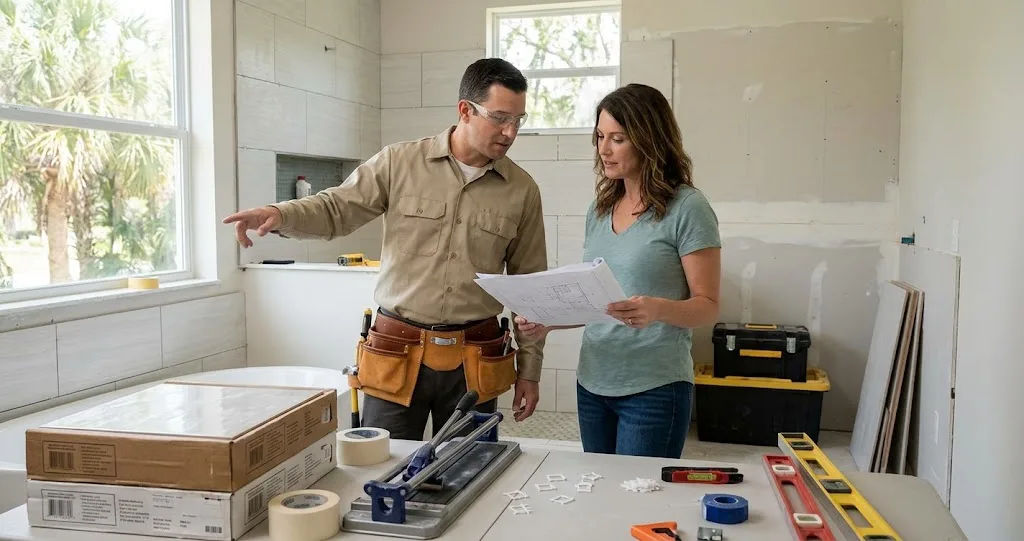 Waterproofing helps protect the underlying structure from water damage, mold growth, and expensive repairs. It also helps maintain the strength and appearance of a tiled surface over time.
For homeowners planning tile installation Jacksonville FL, understanding when waterproofing is necessary can make a significant difference in the quality and lifespan of the finished project. Jacksonville's humid climate, frequent rainfall, and occasional tropical storms make moisture protection particularly important.
Not every tiled surface requires the same waterproofing method. A living room floor, for example, has different moisture concerns than a walk-in shower. Choosing the right materials and installation techniques depends on the location, expected water exposure, and condition of the existing surface.
This comprehensive guide explains why waterproofing matters, where it is needed, which materials work best, and how professional installation can help protect your home.
Why Waterproofing Matters for Tile
Waterproofing is the process of creating a protective barrier that prevents water from reaching materials beneath a tiled surface. This barrier is particularly important because grout, cement board, drywall, and other installation materials can absorb or allow moisture to pass through.
Many homeowners assume that ceramic or porcelain tiles create a completely waterproof surface. While these tiles are generally water-resistant, the entiretile installation Jacksonville FLsystem is not automatically waterproof.
Water can enter through grout lines, corners, joints, and small gaps around plumbing fixtures. Once moisture reaches the underlying materials, it can cause several problems.
Protecting the Subfloor
The subfloor provides structural support for your tile installation. If water repeatedly reaches this layer, it may cause wood to swell, weaken, or deteriorate.
A damaged subfloor can eventually lead to loose tiles, cracked grout, and uneven flooring.
Waterproofing helps prevent moisture from reaching vulnerable structural materials. This is especially important in bathrooms, kitchens, and laundry rooms where spills and leaks are more common.
Preventing Mold and Mildew
Jacksonville's warm and humid weather creates conditions in which mold and mildew can develop when moisture remains trapped in enclosed spaces.
Bathrooms and showers are particularly vulnerable because they experience frequent water exposure and limited ventilation.
A properly installed waterproofing system reduces the amount of moisture entering walls and floors. This helps limit the conditions that encourage mold growth.
Extending the Life of Your Tiles
Tile is generally a long-lasting material, but its performance depends on the condition of the surface beneath it.
When moisture damages the installation materials, tiles may become loose or develop cracks. Grout can also deteriorate, allowing even more water to enter.
Waterproofing helps protect the complete installation system, supporting better durability and reducing the likelihood of premature repairs.
Why Jacksonville's Climate Makes Waterproofing Important
Jacksonville has a humid subtropical climate. Summers are hot, rainfall is frequent, and humidity can remain high throughout much of the year.
These environmental conditions make moisture management an important consideration for homeowners.
Although indoor tile installations are protected from direct rainfall, outdoor humidity and indoor moisture can still affect certain building materials.
High Humidity and Moisture Exposure
High humidity can make it difficult for wet surfaces to dry quickly. Bathrooms without proper ventilation may remain damp long after someone finishes showering.
Over time, repeated exposure can create moisture problems behind tiles and inside wall assemblies.
Professional waterproofing helps prevent water from entering vulnerable areas.
Heavy Rainfall and Storm Conditions
Jacksonville experiences periods of heavy rainfall, particularly during hurricane season.
While waterproofing beneath indoor bathroom tiles does not protect an entire home against flooding, proper moisture barriers can help protect certain building assemblies from everyday water exposure.
Outdoor tiled areas also require careful planning.
Balconies, patios, and pool surrounds need appropriate drainage, waterproofing where applicable, and materials designed for exterior conditions.
Coastal Environmental Conditions
Homes closer to the coast may experience additional environmental challenges, including salt exposure and persistent humidity.
Although salt does not automatically damage every tile installation, selecting suitable materials and maintaining exterior surfaces is important.
A professional installer can recommend appropriate products based on the location and exposure conditions.
Which Areas of Your Home Need Waterproofing?
Not every tiled surface needs a complete waterproofing system. The most appropriate approach depends on how much water the area receives.
Understanding the moisture exposure of different rooms helps homeowners make better installation decisions.
Bathroom Floors
Bathroom floors regularly experience splashes, spills, and moisture from wet feet.
Although these surfaces may not receive continuous water exposure, waterproofing can provide additional protection, particularly around showers, bathtubs, and plumbing fixtures.
A suitable waterproofing membrane beneath the tile assembly can help prevent accidental water leaks from reaching the subfloor.
The installer should also pay attention to corners, floor penetrations, and transitions between different materials.
Shower Walls and Floors
Showers are among the most important areas to waterproof.
Water regularly contacts shower walls, floors, corners, and joints. Without proper protection, moisture can gradually penetrate the surrounding structure.
A complete shower waterproofing system should include:
-
Waterproofing beneath the shower floor tile assembly.
-
Appropriate protection behind shower wall tiles.
-
Sealed corners and wall-to-floor connections.
-
Properly treated plumbing penetrations.
-
Correct drainage and shower-pan construction.
-
Waterproofing around niches and built-in shelves.
The shower floor should also have the correct slope toward the drain.
Simply applying waterproofing to the visible surface without addressing drainage, corners, and transitions will not create a dependable system.
Kitchen Floors and Backsplashes
Kitchens experience frequent spills from cooking, cleaning, and everyday activities.
Porcelain and ceramic tiles are popular choices because they are easy to clean and generally resist staining.
A kitchen floor does not always require the same waterproofing system as a shower. However, moisture protection may be appropriate where the flooring is installed over a wood subfloor or near appliances and plumbing.
Backsplashes also benefit from properly sealed joints around sinks and countertops.
Laundry Rooms
Laundry rooms can experience unexpected water leaks from washing machines, supply lines, and drainage connections.
A waterproofing system beneath the tiled floor may help protect the subfloor from accidental water exposure.
Homeowners should also consider using moisture-resistant materials and ensuring that appliance connections remain in good condition.
Outdoor Patios and Pool Areas
Outdoor tiled surfaces face rain, humidity, temperature changes, and regular exposure to moisture.
These installations require materials and construction methods designed for exterior environments.
Waterproofing may be necessary for elevated patios, balconies, and other assemblies where water could damage the structure below.
Ground-level patios generally require appropriate drainage, a suitable base, and correct installation methods rather than automatically receiving the same membrane system used in showers.
Pool surrounds also need slip-resistant tiles and products suitable for continuous outdoor exposure.
Different Types of Waterproofing Materials
Several waterproofing products are available for tile projects. Each option offers different advantages depending on the installation location and construction requirements.
Choosing the right material is essential for achieving dependable protection.
Liquid Waterproofing Membranes
Liquid waterproofing membranes are applied directly to prepared surfaces using a roller, brush, or similar tool.
Once cured, the material forms a continuous protective layer.
Advantages include:
-
Easy application around corners and irregular surfaces.
-
Flexible protection when installed correctly.
-
Suitable for many shower walls and floors.
-
Ability to cover small surface variations.
However, liquid membranes must be applied at the manufacturer's required thickness.
Applying a coat that is too thin can reduce protection. Installers should also allow sufficient drying or curing time before beginning tile installation.
Sheet Waterproofing Membranes
Sheet membranes are manufactured waterproofing layers installed over suitable substrates.
They are commonly used in shower systems and other areas requiring reliable moisture protection.
Their main advantages include consistent thickness and controlled coverage.
Seams and connections must be properly joined using compatible adhesives, tapes, or sealing products.
Incorrectly installed seams can create openings that allow water to pass through.
Cementitious Waterproofing Products
Cementitious waterproofing materials are cement-based products designed to create a protective coating.
They can be useful in certain wet-area applications, depending on the product specifications.
These products are generally easy to apply and bond well with compatible cement-based surfaces.
However, not every cementitious coating is suitable for every shower or exterior installation. Homeowners should confirm that the selected product is specifically approved for the intended application.
Waterproof Backer Boards
Water-resistant and waterproof backer-board systems are commonly used behind wall tiles.
They provide a suitable base for tile installation and may form part of a larger waterproofing assembly.
It is important to understand that moisture-resistant board is not necessarily waterproof.
The seams, fasteners, corners, and connections must be treated according to the manufacturer's instructions.
Does Every Tile Installation Require Waterproofing?
No. Waterproofing requirements depend on the installation location, expected moisture exposure, and materials used.
For example, a tiled bedroom floor is unlikely to need the same waterproofing system as a shower.
However, areas with frequent water exposure should receive appropriate protection.
Areas Where Waterproofing Is Usually Necessary
Waterproofing is generally essential or strongly recommended for:
-
Shower floors and walls.
-
Wet-room floors and walls.
-
Steam shower enclosures.
-
Certain bathtub surrounds.
-
Elevated exterior tiled balconies.
-
Other wet-area assemblies where water could damage the structure.
Local building requirements and manufacturer specifications should always guide the installation.
Areas Where Waterproofing May Be Optional
Some areas have limited moisture exposure and may not require a dedicated waterproof membrane.
Examples include:
-
Living room floors.
-
Bedroom floors.
-
Dry hallways.
-
Decorative wall features.
-
Low-moisture office spaces.
Even in these areas, the installer should prepare the surface correctly and use suitable tile-setting materials.
If the floor is installed over wood or another moisture-sensitive substrate, additional protection may be worth considering.
How Professional Tile Installation Ensures Proper Waterproofing
Waterproofing is not simply about applying a coating beneath tiles. It involves several installation steps that must work together.
A professional installer understands how to prepare surfaces, select compatible products, and protect vulnerable connections.
Step 1: Inspect the Existing Surface
Before installation begins, the contractor should inspect the floor or wall.
This includes checking for cracks, movement, moisture damage, uneven areas, and structural problems.
Any existing issues should be corrected before waterproofing begins.
Step 2: Prepare the Substrate
The surface must be clean, stable, and suitable for the selected waterproofing product.
Dust, grease, loose materials, and other contaminants can interfere with adhesion.
The installer may need to repair damaged areas, level the surface, or install an appropriate backer board.
Step 3: Apply the Waterproofing System
The waterproofing material is installed according to its manufacturer's instructions.
Depending on the product, this may involve applying multiple coats, installing sheet membranes, or treating joints with specialized sealing materials.
Corners and penetrations deserve particular attention because they are common locations for leaks.
Step 4: Allow Proper Curing
Waterproofing materials need sufficient time to cure before tiles are installed.
Rushing this process can weaken the protective layer or interfere with the bonding of subsequent materials.
The recommended curing period depends on the product and environmental conditions.
Step 5: Conduct Appropriate Testing
Certain shower systems require a flood test before tile installation.
This test helps identify leaks in the shower pan or waterproofing assembly.
The drain is temporarily blocked, and the shower base is filled with water to the specified testing level.
The installer then monitors the water level and checks for signs of leakage according to applicable requirements.
Step 6: Install Tiles and Seal Necessary Joints
Once waterproofing is complete and approved, the installer can begin setting the tiles.
Suitable thin-set mortar, grout, and movement-joint materials should be selected.
Flexible sealant is generally used at changes of plane, such as inside corners and where tiled walls meet floors.
These details help accommodate movement and reduce the risk of cracking.
Common Waterproofing Mistakes to Avoid
Even high-quality materials can fail when installation procedures are incorrect.
Homeowners should understand the most common mistakes before starting a renovation.
Assuming Grout Is Waterproof
Grout fills the spaces between tiles, but ordinary cement-based grout is not completely waterproof.
Water can pass through grout joints and reach the materials underneath.
Some grouts offer improved water resistance, but they do not replace a properly designed waterproofing system.
Ignoring Corners and Seams
Corners, edges, and joints are particularly vulnerable to leaks.
If these areas are not treated properly, water can enter behind the tile assembly.
Installers should use compatible sealing tapes, corner pieces, and waterproofing products.
Applying Too Little Waterproofing Material
Liquid membranes must achieve the thickness specified by the manufacturer.
A thin or uneven coating may leave vulnerable areas exposed.
Using a wet-film thickness gauge where required can help ensure consistent application.
Skipping Drainage Requirements
Waterproofing alone cannot solve poor drainage.
Shower floors need the correct slope, while exterior tiled surfaces need appropriate drainage and water-management details.
Standing water can increase the likelihood of installation problems.
Mixing Incompatible Products
Not every waterproofing membrane works with every mortar, grout, or substrate.
Using incompatible materials can weaken adhesion and reduce the effectiveness of the system.
Professional installers should follow approved product combinations.
How Much Does Waterproofing Add to Tile Installation Costs?
The cost of waterproofing depends on the size of the project, the materials selected, and the complexity of the installation.
A small bathroom shower may require a relatively straightforward membrane system, while a large wet room with multiple niches and penetrations may require more labor and specialized components.
Several factors influence the total cost.
Size of the Installation Area
Larger areas require more waterproofing material and labor.
However, the price per square foot may vary depending on the layout and accessibility of the surface.
Type of Waterproofing Material
Liquid membranes, sheet membranes, and specialized shower systems have different material and installation costs.
The most affordable option is not always the best choice.
The selected product should match the expected water exposure and the requirements of the installation.
Condition of the Existing Surface
Damaged subfloors, uneven walls, and old moisture problems may require additional preparation.
Repairs can increase the overall project cost, but addressing them before installing tile can prevent more expensive problems later.
Design Complexity
Custom shower niches, benches, multiple corners, and complicated drain layouts require careful waterproofing.
These details often increase installation time.
Homeowners should request an itemized estimate that separates preparation, waterproofing, tile installation, and finishing work.
How to Maintain Waterproofed Tile Surfaces
Proper maintenance helps preserve the appearance and performance of tiled surfaces.
Although waterproofing protects the underlying structure, homeowners still need to care for grout, sealant, drains, and fixtures.
Clean Tiles Regularly
Use suitable cleaning products to remove soap residue, dirt, and everyday buildup.
Avoid harsh chemicals that may damage grout or sealant.
Regular cleaning also makes it easier to notice early signs of deterioration.
Inspect Grout and Flexible Sealant
Check grout lines, corners, and joints periodically.
Look for cracks, missing material, discoloration, or separation.
Flexible sealant around showers and bathtubs may eventually need replacement.
Maintain Bathroom Ventilation
Good ventilation helps remove excess humidity after showers and baths.
Use an exhaust fan when necessary and allow wet surfaces to dry.
This is particularly useful in Jacksonville, where outdoor humidity can already be high.
Watch for Signs of Water Damage
Pay attention to loose tiles, persistent musty smells, peeling paint, soft flooring, and unusual discoloration.
These signs may indicate a moisture problem that requires professional inspection.
Addressing a leak early can prevent more extensive repairs.
How to Choose the Right Tile Installation Contractor in Jacksonville
Selecting an experienced contractor is one of the most important decisions in a waterproofed tile project.
A skilled professional should understand both tile installation and the waterproofing systems required for different environments.
Ask About Waterproofing Experience
Ask whether the contractor has experience installing showers, wet rooms, bathroom floors, and exterior tiled surfaces.
Request examples of completed projects where waterproofing was included.
Check Product Recommendations
A reliable installer should explain which waterproofing products are suitable for your project.
They should also be able to describe how the membrane connects with drains, corners, and other critical areas.
Request a Detailed Estimate
The estimate should explain the materials, labor, preparation, and waterproofing procedures.
It should also identify any additional repairs that may be necessary.
Discuss Warranties and Installation Standards
Ask about workmanship warranties and product warranties.
Make sure the contractor follows the manufacturer's instructions and applicable building requirements.
A dependable professional will be willing to explain the installation process instead of simply promising that the finished surface will be waterproof.
Conclusion
So, does tile installation Jacksonville FL need waterproofing? In many cases, yes. Waterproofing is particularly important in bathrooms, showers, laundry rooms, wet rooms, and exterior tiled areas where regular moisture exposure can damage the underlying structure.
Although ceramic and porcelain tiles are highly water-resistant, they do not automatically create a completely waterproof installation. Water can still enter through grout joints, corners, drains, and plumbing connections. Without suitable protection, moisture may reach the subfloor or wall structure, leading to mold, deterioration, loose tiles, and expensive repairs.
Choosing the right waterproofing method is essential. Liquid membranes, sheet membranes, cementitious products, and waterproof backer-board systems all have different applications. The best option depends on the location, construction materials, and expected water exposure.
Homeowners should also remember that waterproofing requires more than applying a protective coating. Proper surface preparation, carefully sealed joints, suitable drainage, sufficient curing time, and compatible installation materials all contribute to a successful result.
Jacksonville's humid climate makes moisture management especially important. Taking preventive measures during renovation or new construction can help protect your investment and reduce future maintenance costs.
When planning a tile project, work with an experienced contractor who understands local conditions and follows recognized installation practices. Ask questions about the waterproofing system, request a detailed estimate, and make sure important areas receive the protection they need.
Ultimately, investing in proper waterproofing helps create a tile installation that is attractive, durable, and better protected against moisture. With the right materials, professional workmanship, and regular maintenance, homeowners can enjoy their tiled surfaces for many years while avoiding preventable water damage.