
A Gambrel Roof Calculator is one of the most useful tools for anyone planning, designing, or building a gambrel roof. Whether you are a homeowner, contractor, carpenter, or DIY enthusiast, understanding roof pitch is essential before starting construction.
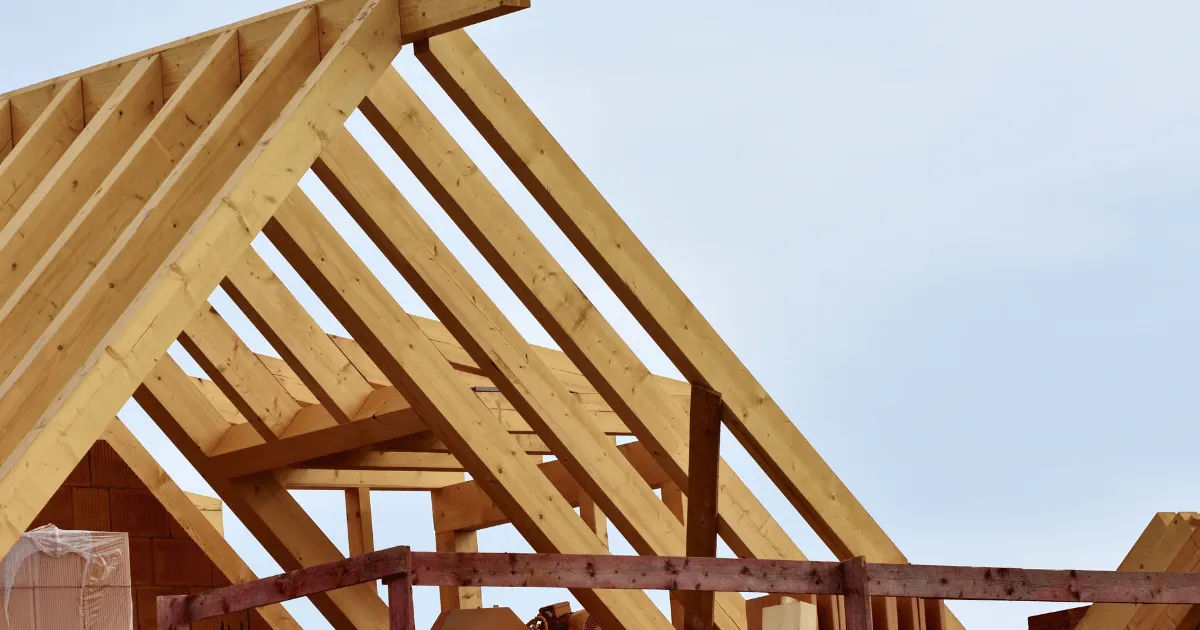
A gambrel roof has a unique shape with two different slopes on each side, making its measurements more complex than a standard gable roof. Because of this complexity, using a Gambrel Roof Calculator helps reduce mistakes, improve accuracy, and save valuable time.
Instead of relying on difficult manual calculations, a calculator automatically determines pitch, angles, lengths, and other measurements needed for construction. This guide explains exactly how a gambrel roof calculator measures pitch, why pitch matters, what information is required, and how to interpret the results correctly.
A Gambrel Roof
Before learning how pitch is measured, it helps to understand what makes a gambrel roof different.
A gambrel roof has two slopes on each side of the building. The lower slope is much steeper than the upper slope. This design creates additional space inside the attic or upper floor while allowing rain and snow to flow off efficiently.
The gambrel style is commonly found on:
- Barns
- Farmhouses
- Colonial homes
- Garages
- Storage buildings
- Modern country-style houses
Its distinctive appearance combines beauty with functionality, making it a popular roofing option.
What Is Roof Pitch?
Roof pitch describes how steep a roof is. It represents the amount of vertical rise compared to horizontal distance.
For example:
- A 6:12 pitch means the roof rises 6 inches for every 12 inches of horizontal run.
- An 8:12 pitch rises 8 inches over 12 inches.
- A 12:12 pitch forms a 45-degree angle.
Unlike regular roofs that have only one pitch on each side, gambrel roofs include two separate pitches.
These include:
- Upper pitch
- Lower pitch
The lower section is significantly steeper than the upper section.
Why Pitch Matters
Roof pitch affects far more than appearance.
It influences:
- Water drainage
- Snow removal
- Roof strength
- Building height
- Interior attic space
- Roofing material selection
- Construction costs
Choosing incorrect pitches may lead to drainage problems, structural weaknesses, or wasted materials.
This is why a Gambrel Roof Calculator is valuable during planning.
What Is a Gambrel Roof Calculator?
A Gambrel Roof Calculator is a specialized digital tool that calculates the dimensions of a gambrel roof using mathematical formulas.
Instead of calculating every angle manually, the calculator instantly provides accurate measurements.
It can determine:
- Roof pitch
- Upper slope
- Lower slope
- Roof angles
- Rafter length
- Roof height
- Roof surface area
- Ridge height
- Material estimates
Many builders use these calculators during the design phase before ordering materials.
How Does a Gambrel Roof Calculator Measure Pitch?
The calculator measures pitch by analyzing the relationship between roof height, roof width, and the selected design proportions.
It follows several calculation steps.
Step 1: Measure Building Width
The first measurement is the total building width.
For example:
A building may measure:
- 20 feet wide
- 24 feet wide
- 30 feet wide
- 40 feet wide
The calculator divides this width into two equal halves because each side of the roof covers half the structure.
This value becomes the roof run.
Step 2: Determine Roof Height
The total roof height is entered or selected.
This represents the vertical distance from the wall plate to the roof peak.
The height directly influences both roof pitches.
A taller roof generally produces steeper angles.
Step 3: Divide the Roof into Two Slopes
Unlike standard roofs, gambrel roofs contain two roof sections.
The calculator separates the roof into:
- Upper slope
- Lower slope
Each section receives its own calculations.
This is one of the biggest differences compared to traditional roof calculators.
Step 4: Calculate Individual Runs
Each slope covers only part of the horizontal distance.
For example:
If half the building run equals 12 feet:
- Lower slope may cover 7 feet.
- Upper slope may cover 5 feet.
The calculator automatically assigns these values based on selected proportions.
Step 5: Calculate Individual Rise
Next, the roof height is divided between the two slopes.
For instance:
The lower slope may rise:
- 6 feet
The upper slope may rise:
- 3 feet
The calculator balances these values according to the chosen design.
Step 6: Calculate Pitch Ratios
Pitch equals:
Rise ÷ Run
Suppose:
Lower slope:
- Rise = 6 feet
- Run = 7 feet
Upper slope:
- Rise = 3 feet
- Run = 5 feet
The calculator converts these into standard roofing pitch formats.
Examples include:
- 5:12
- 7:12
- 10:12
- 14:12
Each slope receives its own pitch value.
Step 7: Convert Pitch into Angles
Many builders prefer roof angles instead of pitch ratios.
The calculator converts the pitch into degrees.
For example:
- 4:12 ≈ 18°
- 6:12 ≈ 27°
- 8:12 ≈ 34°
- 12:12 ≈ 45°
This helps builders accurately cut rafters.
Information Needed by the Calculator
To calculate pitch correctly, several measurements are required.
These commonly include:
Building Width
The distance from one exterior wall to the opposite wall.
Building Length
Needed for estimating roofing materials and total roof area.
Roof Height
The desired vertical height from the wall to the ridge.
Overhang Length
If the roof extends beyond the walls, this measurement improves accuracy.
Desired Roof Style
Some calculators offer different gambrel styles, each with unique proportions.
Mathematical Principles Used
Although users rarely see the calculations, several mathematical concepts operate behind the scenes.
These include:
Geometry
Triangles form the foundation of roof calculations.
Each roof slope becomes a right triangle.
Trigonometry
The calculator uses trigonometric functions to determine:
- Angles
- Slope
- Rafter lengths
Pythagorean Theorem
This theorem calculates rafter length.
Formula:
Rafter² = Rise² + Run²
The calculator performs these calculations instantly.
How Pitch Affects Roof Design
Pitch changes nearly every aspect of roof construction.
Structural Strength
Steeper roofs often distribute weight differently.
Proper pitch improves stability.
Interior Space
Gambrel roofs create larger attic areas.
Changing the upper pitch changes usable room size.
Drainage
Steeper lower slopes remove rainwater quickly.
Proper drainage extends roof life.
Snow Performance
Snow slides off steep roofs more easily.
This reduces structural stress during winter.
Wind Resistance
Very steep roofs may catch stronger winds.
Balanced pitch improves performance.
Typical Gambrel Roof Pitch Ranges
Although every project differs, common ranges include:
Upper slope:
- 4:12
- 5:12
- 6:12
Lower slope:
- 10:12
- 12:12
- 16:12
These combinations create the traditional barn-style appearance.
Benefits of Using a Gambrel Roof Calculator
There are many advantages to using a calculator rather than manual formulas.
Saves Time
Complex calculations become almost instant.
Improves Accuracy
Human calculation mistakes are greatly reduced.
Better Material Planning
Builders can estimate lumber and roofing materials more accurately.
Reduces Waste
Accurate measurements mean fewer unnecessary purchases.
Helps Beginners
Even first-time builders can understand roof dimensions more easily.
Supports Multiple Designs
Different pitch combinations can be compared before construction begins.
Common Mistakes When Measuring Pitch
Several mistakes frequently occur during planning.
Measuring Overall Roof Instead of Half Run
Pitch calculations always use the horizontal run, not the entire building width.
Ignoring the Two Different Slopes
A gambrel roof contains two pitches.
Using only one measurement creates incorrect results.
Entering Incorrect Height
Even a small height error changes all pitch calculations.
Forgetting Roof Overhang
Overhang affects rafter length and material estimates.
Mixing Measurement Units
Always use consistent units throughout the project.
Manual Pitch Measurement vs Calculator
Manual calculations require several formulas.
Builders must calculate:
- Rise
- Run
- Angles
- Rafters
- Surface area
A Gambrel Roof Calculator performs these automatically.
This reduces complexity and speeds up planning.
Choosing the Right Roof Pitch
There is no single perfect pitch.
Instead, builders consider:
- Climate
- Snowfall
- Rainfall
- Building style
- Local building codes
- Roofing material
- Budget
- Desired attic space
A calculator helps compare multiple options before construction begins.
Tips for Accurate Pitch Calculations
Follow these recommendations for better results.
- Measure the building carefully.
- Double-check all dimensions.
- Use consistent measurement units.
- Confirm roof height before calculating.
- Review local building regulations.
- Compare several pitch options.
- Verify material compatibility.
- Check results before ordering supplies.
These simple steps improve overall project accuracy.
Who Should Use a Gambrel Roof Calculator?
Many professionals benefit from this tool.
These include:
- Architects
- Engineers
- Roof designers
- Contractors
- Homeowners
- Carpenters
- DIY builders
- Construction students
Anyone designing a gambrel roof can simplify planning with accurate calculations.
Modern Features Found in Roof Calculators
Today's calculators offer more than basic pitch calculations.
Many include:
- Automatic rafter sizing
- Material estimates
- Roof area calculations
- Ridge height calculations
- Printable reports
- Angle diagrams
- Cost estimation
- Mobile compatibility
These features improve planning efficiency.
Conclusion
Measuring the pitch of a gambrel roof involves much more than finding a single slope. Because this roof design includes two distinct sections on each side, accurate planning requires separate calculations for the upper and lower pitches. A Gambrel Roof Calculator simplifies this process by using building width, roof height, run, rise, and geometric formulas to produce reliable measurements in seconds. It also calculates roof angles, rafter lengths, ridge height, and other important dimensions that help builders avoid costly errors.
Whether you are designing a traditional barn, a farmhouse, a garage, or a modern home, using a Gambrel Roof Calculator makes the planning process faster, more accurate, and easier to understand. Instead of spending hours performing manual calculations, you can focus on selecting the best roof design for your project with confidence. Accurate pitch measurements not only improve the appearance of the roof but also enhance durability, drainage, structural stability, and long-term performance. Investing time in proper roof calculations is one of the smartest decisions you can make before construction begins.