
When businesses order wholesale custom aprons, branding is usually one of the first things they consider. An apron is not just protective clothing. It can become part of a company’s visual identity, especially when employees wear it in restaurants, cafés, bakeries, hotels, retail stores, workshops, or promotional events.
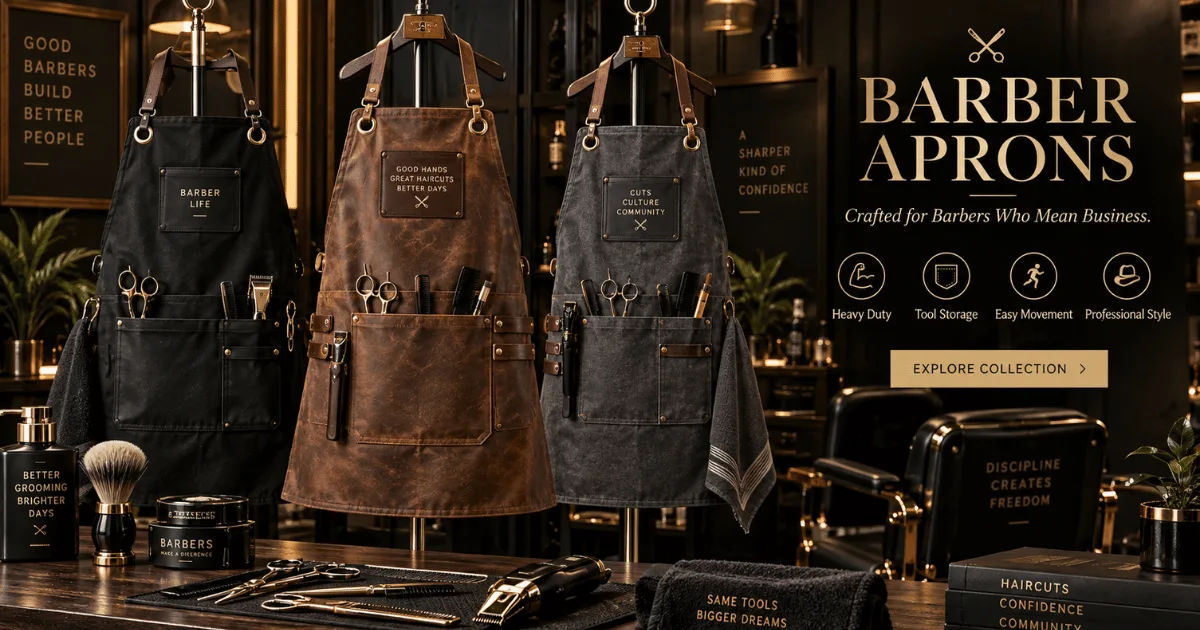
Branding custom aprons can involve several techniques, including embroidery, screen printing, heat transfer, direct-to-garment printing, woven labels, patches, and custom tags. The best method depends on the apron fabric, logo design, quantity, budget, and the appearance the business wants to achieve.
Understanding these options before placing a bulk order helps businesses choose branding that looks professional and remains practical after repeated washing and everyday use.
What Does Branding an Apron Mean?
Apron branding means adding a company name, logo, slogan, artwork, or other identifying design to an apron. The branding can be subtle, such as a small embroidered logo on the chest, or more noticeable, such as a large printed design across the front.
For wholesale custom aprons, branding is normally planned during the manufacturing or customization process. A supplier may ask for the business logo, preferred colors, artwork files, placement instructions, and the desired branding method.
The goal is to make the apron recognizable while keeping the branding suitable for its intended environment.
For example, a restaurant may want an embroidered logo over the chest, while a coffee shop might prefer a large printed design on the front pocket. A catering company may choose a simple logo and employee name to create a more personalized appearance.
Common Ways Wholesale Custom Aprons Are Branded
There is no single branding method that works for every apron. Different techniques create different textures, appearances, costs, and levels of durability.
Embroidery
Embroidery is one of the most popular options for professional-looking aprons.
With this method, the logo is stitched directly into the fabric using embroidery threads. A digital embroidery file is created from the original artwork, and specialized machines use that file to reproduce the design.
Embroidery works particularly well for simple logos, business names, initials, and designs with limited colors.
It gives an apron a raised, textured appearance that can look premium. This is one reason restaurants, hotels, cafés, and hospitality businesses frequently choose embroidered branding.
However, embroidery is not ideal for every design. Very detailed artwork, tiny lettering, gradients, or photographic images can be difficult to reproduce accurately with thread.
The thickness of the fabric also matters. A supplier needs to consider whether the apron material can support the embroidery without becoming distorted.
Screen Printing
Screen printing is another common branding technique.
In this process, ink is pushed through a prepared screen onto the apron. Each color generally requires its own screen, so the number of colors can affect production complexity and cost.
Screen printing is particularly useful for larger logos and bold graphic designs. It can create strong colors and a relatively smooth finish.
It is often a practical choice when a business needs a large quantity of aprons featuring the same design.
For example, a restaurant chain might use screen printing to place a large brand logo across the upper chest or front of the apron.
The quality of screen printing depends heavily on the ink, fabric, curing process, and production standards. Poorly applied prints may crack, fade, or lose their sharpness after repeated washing.
Heat Transfer Printing
Heat transfer branding involves printing a design onto a transfer material and applying it to the apron using heat and pressure.
This technique can be useful for colorful logos, detailed artwork, names, numbers, and designs that may be difficult to embroider.
Heat transfers can also be practical when businesses require different employee names or personalized details on the same apron style.
The final appearance depends on the transfer material and application process. Some transfers feel more noticeable on the fabric, while higher-quality materials can provide a smoother finish.
Businesses should always ask about washing and care requirements before selecting this method.
Direct-to-Garment Printing
Direct-to-garment, commonly called DTG, involves printing ink directly onto suitable fabric.
It can reproduce complex artwork and multiple colors without requiring each color to be separated in the same way as traditional screen printing.
This makes it attractive for highly detailed designs.
However, DTG is more dependent on fabric composition and color. It may not be the most practical solution for every type of heavy-duty apron, particularly when the material and intended working environment demand maximum durability.
Woven Labels
Some businesses prefer a more understated approach.
A woven label can contain the company name, logo, brand symbol, or other information. The label is then sewn onto the apron.
This creates a neat, fabric-based branding element rather than placing a large logo directly on the apron.
Woven labels work particularly well for lifestyle brands, artisan businesses, cafés, bakeries, clothing companies, and companies that want a more subtle aesthetic.
Patches
Custom patches can also be attached to aprons.
Patches may be embroidered, woven, printed, or made from other materials. They can provide a distinctive appearance and may allow businesses to replace or update branding more easily than direct embroidery.
For workwear, patches can also create a traditional uniform appearance.
Where Are Custom Aprons Usually Branded?
The location of the logo can be almost as important as the branding method.
A small chest logo is one of the most common placements because it remains visible without overwhelming the apron.
The center of the chest is especially useful for businesses that want employees to look uniform and easily identifiable.
Front Pocket Branding
If the apron includes a pocket, the logo can sometimes be placed on or above it.
This location can create a balanced appearance, especially for café and restaurant uniforms.
However, the supplier should check the pocket construction before production. Printing or embroidering directly across certain pocket areas can interfere with functionality.
Large Front Branding
Some companies want their logo to be highly visible.
A larger design can be placed across the upper or central front section of the apron. This approach is useful for promotional events, food vendors, catering businesses, and brands that want stronger visual recognition.
The design should still be proportional to the apron. A logo that is too large can make the garment look crowded.
Neck or Upper Strap Area
Some apron designs allow branding near the upper section or strap.
This can provide a subtle branding opportunity, although the available space may be limited.
Straps also move more than the main body of an apron, so the branding technique needs to be suitable for the location.
How Does the Logo Affect Branding?
The original logo file can have a major impact on the final result.
A simple vector logo is generally easier to reproduce accurately than a low-resolution image copied from a website.
Businesses should provide high-quality artwork whenever possible.
Logo complexity also matters. A design containing very small text, thin lines, numerous colors, gradients, and intricate details may need to be simplified for embroidery or certain printing techniques.
That does not necessarily mean changing the company's official logo permanently. A supplier may create a production-friendly version specifically for the apron.
For example, a detailed logo might have a simplified embroidered version while the full-color version is used for printed materials.
Choosing Branding Based on the Apron Fabric
The apron material should always be considered before choosing a branding method.
Cotton, polyester, canvas, denim, blended fabrics, and specialty materials can react differently to printing, embroidery, and heat.
Canvas and heavier cotton aprons can provide an excellent base for embroidery because the material has enough structure to support stitching.
Lightweight fabrics may require more careful embroidery settings because excessive stitching can cause puckering.
Polyester fabrics can also require specialized printing or embroidery considerations, particularly when heat is involved.
This is why a branding technique should not be selected based solely on appearance. The supplier should confirm that the process is compatible with the specific apron fabric.
How Does Branding Work for Large Orders?
The process for wholesale custom aprons usually begins with selecting the apron style, fabric, color, and size range.
The business then supplies its logo or artwork and explains how it wants the apron branded.
The manufacturer or supplier may recommend an appropriate technique based on the artwork and garment.
A digital proof or mockup may then be provided. This allows the customer to check the logo placement, size, colors, and overall appearance before production begins.
For larger orders, approving this stage carefully is important.
A small mistake in logo placement might not seem significant on one apron, but it becomes much more costly when hundreds or thousands of garments are produced.
What Should Businesses Check Before Approving the Design?
Before approving a bulk order, businesses should examine several details.
First, check the logo dimensions. A logo that looks attractive on a computer screen may appear too large or too small on an actual apron.
Next, check the placement.
The logo should be positioned consistently across all garments. Slight differences can make a uniform set look poorly manufactured.
Color accuracy is also important. Brand colors should be compared against the approved design rather than relying on memory.
The business should also confirm whether the branding will interfere with pockets, straps, seams, buttons, or other functional features.
Finally, request a sample or production proof when possible.
Does Branding Affect the Cost?
Yes. Branding can influence the total cost of wholesale custom aprons.
Several factors may affect the price, including the branding technique, number of colors, logo size, number of locations, personalization requirements, setup charges, and total order quantity.
Embroidery, for example, may be priced according to stitch count and complexity.
Screen printing can be affected by the number of colors and setup requirements.
Additional branding locations also increase production work.
Ordering in larger quantities may reduce the per-unit cost, but businesses should avoid choosing an unnecessarily complicated branding process simply because the order is large.
The right approach is to balance appearance, durability, and budget.
Which Branding Method Is Most Durable?
Durability depends on the quality of both the apron and the branding process.
Embroidery is generally considered a strong option for logos because the design is stitched into the fabric rather than sitting entirely on its surface.
However, embroidery can still wear or become damaged through heavy use, poor washing practices, or excessive friction.
High-quality screen printing can also be durable when the correct ink and curing process are used.
Heat transfers vary significantly depending on their quality.
The important point is that branding durability cannot be judged by the technique's name alone. Manufacturing quality matters just as much.
How Should Branded Aprons Be Maintained?
Proper care can help preserve the appearance of branded aprons.
Businesses should follow the manufacturer's washing instructions. Excessive heat, harsh chemicals, aggressive detergents, and improper drying can affect both the fabric and the branding.
Aprons used in commercial kitchens may require frequent washing, making care instructions especially important.
Employees should also avoid unnecessary friction or abrasive cleaning methods around printed or embroidered areas.
For a large uniform program, providing employees with simple care instructions can help keep the entire collection looking consistent.
Branding for Different Types of Businesses
Different industries may benefit from different branding styles.
Restaurants often prefer embroidered or printed logos that create a clean and professional uniform.
Cafés and bakeries may choose smaller embroidered logos or woven labels for a more handcrafted appearance.
Hotels and catering companies may use embroidery because it creates a polished hospitality look.
Retail businesses and promotional teams may prefer colorful printing because the branding needs to attract attention.
Workshops and craft businesses may choose durable canvas aprons with bold logos or patches.
The best choice depends on where the apron will be worn and what the business wants customers to notice.
Why Consistency Matters in Bulk Apron Branding
Brand consistency is one of the biggest advantages of ordering customized workwear.
When every employee wears the same apron style with consistent branding, customers can identify staff more easily.
It also creates a more organized appearance.
For businesses with multiple locations, consistency becomes even more important. The same logo size, colors, placement, and apron style can help maintain a unified identity across different branches.
This is particularly valuable for businesses that invest heavily in visual branding.
What Makes Wholesale Custom Aprons Look Professional?
Professional branding is not necessarily about adding the largest possible logo.
In many cases, simple branding looks better.
A properly sized logo, suitable placement, clean stitching or printing, and a well-matched apron color can create a much stronger impression than an overcrowded design.
The apron should also match the company's overall image.
A premium restaurant might benefit from understated embroidery, while a colorful dessert shop may prefer a bold printed design.
The branding should feel like part of the business rather than an advertisement randomly placed on clothing.
Conclusion
Understanding how wholesale custom aprons are branded makes it easier to choose the right combination of appearance, durability, and cost. Businesses can use embroidery, screen printing, heat transfers, direct printing, woven labels, or patches depending on their needs.
The most suitable option depends on the fabric, logo complexity, intended use, washing requirements, order quantity, and desired visual style. There is no universal branding method that is automatically best for every business.
A successful apron order starts with a practical design. The logo should be easy to recognize, appropriately sized, correctly positioned, and compatible with the apron material. Businesses should also review samples or digital proofs before approving large-scale production.
Most importantly, branding should support the purpose of the apron. Restaurant staff need garments that can handle frequent use and washing. Promotional teams may prioritize visibility. Boutique businesses may focus more heavily on appearance and subtle brand details.
When these factors are considered together, customized aprons can become much more than ordinary workwear. They can provide a consistent professional appearance, improve brand recognition, and help employees look like a coordinated part of the business.