
Branding is more than a logo, a color palette, or a memorable slogan. It is the complete identity that helps people recognize and understand a business. Brand Guidelines Design protects this identity by creating clear rules for how a brand should look, sound, and communicate across different platforms. Without consistent guidelines, branding can quickly become confusing as different employees, designers, agencies, and marketing teams make their own decisions.
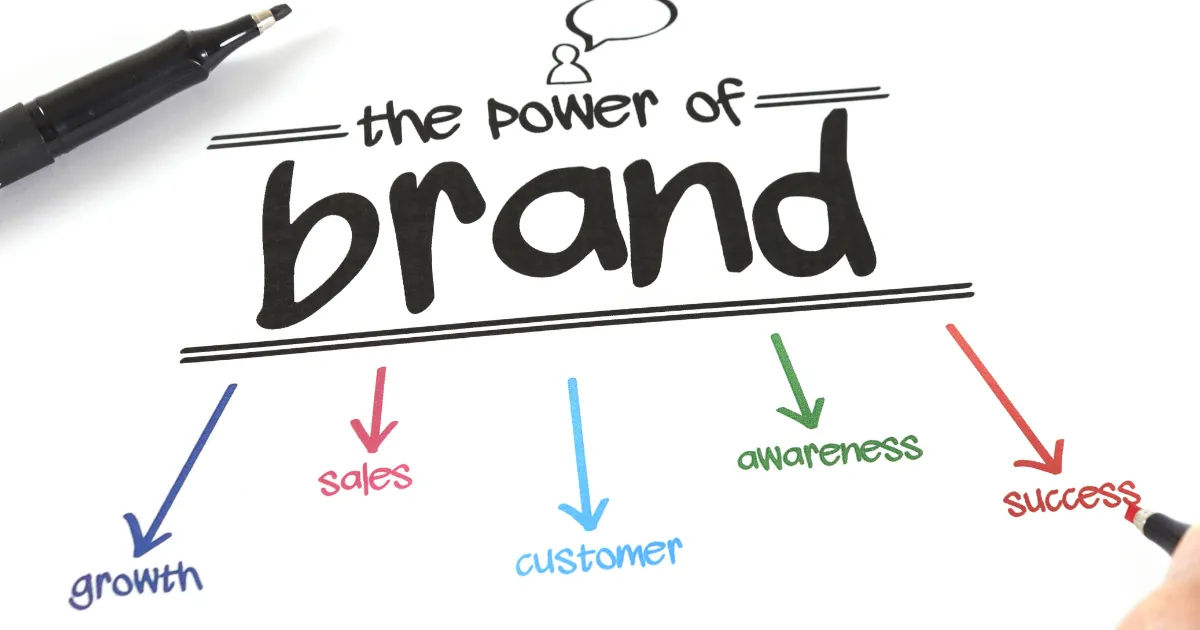
A strong brand guideline document acts like a roadmap. It explains how visual and verbal elements should be used so that every customer interaction feels connected to the same company. Whether a business appears on a website, social media page, product package, advertisement, presentation, or printed brochure, its identity remains recognizable.
This guide explains how brand guidelines protect branding, why consistency matters, what these guidelines should contain, and how businesses can use them effectively.
What Are Brand Guidelines?
Brand guidelines are a set of instructions that explain how a company's brand should be represented. They provide practical rules for using important brand elements, including logos, colors, typography, imagery, graphics, and written communication.
The goal is not to restrict creativity. Instead, guidelines create a foundation that helps people make appropriate creative decisions while protecting the identity that the company has built.
Brand Guidelines Design organizes these rules into a clear system that employees and creative teams can follow. A well-designed guideline document can prevent common mistakes and make branding easier to manage as a business grows.
Why Brand Guidelines Matter
A brand may communicate with thousands or millions of people through different channels. Each channel can involve different people and different types of content.
For example, a social media designer might use the logo differently from a website developer. A sales employee might choose different colors for a presentation, while an outside agency might create advertisements using another typeface.
These small differences can make the company appear inconsistent.
Brand guidelines reduce this problem by giving everyone the same reference point. Instead of relying on personal opinions, teams can follow established rules.
How Brand Guidelines Protect Brand Consistency
Consistency is one of the most important forms of brand protection. Customers should be able to recognize a company even before they read its name.
When the same visual and verbal elements appear repeatedly, they become associated with the business.
Maintaining a Consistent Visual Identity
A visual identity includes many elements. Logos, colors, fonts, photography, illustrations, icons, layouts, and other design features all contribute to how a brand is perceived.
Brand Guidelines Design establishes rules for these elements so that they work together.
For example, guidelines can explain the correct size and placement of a logo. They can also show how much empty space should surround it and identify situations where the logo should not be used.
These instructions prevent accidental changes that could weaken recognition.
Protecting the Logo
The logo is often one of the most recognizable parts of a brand. Improper use can quickly damage a professional appearance.
Brand guidelines can explain:
-
Approved logo versions
-
Minimum logo size
-
Clear space requirements
-
Background restrictions
-
Approved colors
-
Incorrect logo examples
-
Rules for changing or modifying the logo
This makes it easier for designers and employees to use the logo correctly.
A logo should not normally be stretched, rotated, recolored without permission, or placed over backgrounds that make it difficult to see.
Clear rules protect the logo from these common mistakes.
Protecting Brand Colors
Colors can become strongly connected with a company's identity. When customers repeatedly see specific colors associated with a business, those colors can become part of its recognition system.
Brand guidelines usually identify primary and secondary colors. They may also provide exact color values for digital and printed materials.
Why Exact Color Specifications Matter
A color can look different on different screens, printers, and materials. Without specifications, one designer might choose a slightly darker shade while another selects a brighter version.
Over time, these differences can make the brand look inconsistent.
Brand Guidelines Design can provide color references such as RGB, CMYK, HEX, and sometimes Pantone values. These references help teams reproduce colors more accurately across different applications.
Protecting Typography
Typography also affects brand recognition and personality. A modern technology company may use clean, simple typefaces, while a luxury business may prefer elegant typography.
Without guidelines, different teams may select random fonts.
Brand guidelines can identify approved typefaces and explain how they should be used. For example, one font might be assigned to headings while another is used for body text.
Creating a Clear Hierarchy
Typography rules can also establish a hierarchy.
Guidelines might define:
-
Heading styles
-
Subheading styles
-
Body text
-
Captions
-
Buttons
-
Quotes
-
Digital interface text
This creates a consistent reading experience and makes communication easier to understand.
Protecting the Brand's Voice
Branding is not only visual. The way a company speaks can be just as important.
A business might want to sound professional, friendly, confident, educational, or energetic. If every employee communicates differently, customers may receive mixed impressions.
Brand guidelines can establish a clear tone of voice.
Defining Communication Standards
A guideline document can explain whether communication should be formal or conversational. It can also provide recommendations for vocabulary, sentence structure, punctuation, and terminology.
For example, a company might encourage simple language instead of complicated technical terms.
This helps writers, customer service representatives, social media managers, and marketing teams communicate consistently.
Brand Guidelines Design can therefore protect both the visual and verbal sides of a brand.
Protecting Brand Recognition
Recognition develops when customers repeatedly encounter consistent branding.
Imagine seeing a company advertisement one day with a specific color scheme, typography, and photography style. A week later, you see another advertisement from the same company, but everything looks completely different.
You may not immediately connect the two advertisements.
Consistent branding creates stronger connections in the customer's mind.
Building Familiarity Over Time
A consistent identity makes repeated exposure more valuable. Customers gradually become familiar with the brand's appearance and communication style.
This familiarity can support trust and recognition.
Brand guidelines make this consistency easier because every new piece of content can follow the same foundation.
Reducing Brand Misuse
Businesses often work with many people. Employees, freelancers, advertising agencies, printers, developers, influencers, and partners may all use brand assets.
The more people involved, the greater the possibility of mistakes.
A detailed guideline document reduces uncertainty.
Instead of asking how a logo should appear or which font should be used, team members can consult the established rules.
Preventing Unauthorized Changes
Brand guidelines can clearly identify which elements should not be changed.
For instance, they can explain that a logo should not be redrawn, compressed, stretched, or combined with unrelated graphics.
They can also establish rules for photography, illustrations, icons, and other visual elements.
These restrictions help preserve the identity that the company has invested time and money developing.
Supporting Digital Branding
Modern brands appear across many digital platforms. A company may have a website, mobile application, social media profiles, email newsletters, online advertisements, video channels, and digital marketplaces.
Each platform has different technical requirements.
Brand Guidelines Design helps organizations adapt their identity without losing consistency.
Maintaining Consistency Across Platforms
A logo may need different dimensions for a website header and a social media profile. A digital advertisement may require a different layout from a printed poster.
The basic identity can remain consistent while the design is adapted to the platform.
Good guidelines explain these differences instead of forcing every application to look exactly the same.
Protecting Brand Reputation
Brand reputation can be affected by visual quality and communication.
Poorly designed materials may make an established company appear careless. Inconsistent messaging can also make customers question whether they are dealing with the same organization.
Consistent branding communicates organization and professionalism.
Avoiding Confusing Customer Experiences
Customers interact with brands in many ways. They may see an advertisement, visit a website, receive an email, speak with customer service, and purchase a product.
If each interaction looks and sounds completely different, the experience can feel disconnected.
Brand guidelines help create a unified customer journey.
Helping Employees Make Better Design Decisions
Not every employee is a professional designer. However, many employees may need to create presentations, documents, social posts, or internal communications.
Without guidance, they may make decisions based on personal preferences.
A clear guideline document gives them practical boundaries.
For example, an employee does not need to wonder which logo file to use or what color belongs in a presentation. The guideline can provide the answer.
This saves time and reduces unnecessary revisions.
Improving Collaboration With Agencies
Outside creative agencies often work with multiple clients. They cannot automatically know every detail about a company's identity.
Providing brand guidelines gives them a reliable starting point.
Brand Guidelines Design helps agencies understand the brand before creating advertisements, campaigns, packaging, or digital content.
This can reduce misunderstandings and make collaboration more efficient.
Making Approvals Easier
When brand rules are clearly documented, marketing managers can evaluate work against established standards.
Instead of saying that a design simply "doesn't feel right," they can identify specific issues.
For example, the design might use an unapproved font or incorrect logo placement.
This makes feedback more objective and useful.
Supporting Brand Growth
A small business may begin with a simple visual identity. As it grows, its branding may need to appear in more places.
New employees join. New products are introduced. New markets are entered. New agencies may become involved.
Without documented standards, consistency becomes increasingly difficult.
Brand guidelines create a foundation that can grow with the organization.
Creating Scalability
Scalable branding does not mean every design must look identical. Instead, it means the same core identity can be adapted to different situations.
A strong guideline system establishes essential rules while leaving room for appropriate creativity.
This balance is important for long-term brand development.
What Should Effective Brand Guidelines Include?
The exact contents depend on the company, but a comprehensive guideline document often includes several important sections.
Brand Overview
The document can begin with a short explanation of the brand's mission, values, personality, and positioning.
This gives designers and writers context for the rules that follow.
Logo Guidelines
This section should explain approved logo versions, sizing, spacing, placement, and incorrect uses.
Color Palette
The color section should identify primary and secondary colors and provide accurate specifications for different applications.
Typography
Typography rules should identify approved fonts and explain how they should be used in headings, body text, captions, and other communication.
Imagery
Photography and illustration guidelines can establish preferred subjects, lighting, composition, editing style, and overall visual mood.
Voice and Tone
Written communication guidelines can explain the personality of the brand and provide practical examples of appropriate language.
Layout and Graphic Elements
The document can also explain grids, spacing, icons, shapes, patterns, borders, and other recurring design elements.
How to Create Strong Brand Guidelines
Creating useful guidelines requires more than collecting existing brand assets into a document.
First, identify the core identity of the business. Understand its audience, personality, values, and market position.
Next, identify the visual and verbal elements that make the brand recognizable.
After that, establish practical rules for using these elements.
Brand Guidelines Design should be easy to understand and apply. Complicated rules that nobody follows will not effectively protect a brand.
Include Good and Bad Examples
Examples are often more useful than long explanations.
Show the correct way to use a logo and provide examples of incorrect usage. Demonstrate appropriate typography, color combinations, imagery, and layouts.
Visual examples help users understand the rules quickly.
Keep Guidelines Updated
Brand identities can evolve.
A company may redesign its logo, introduce new products, expand into new markets, or change its communication strategy.
Guidelines should therefore be reviewed periodically.
An outdated document can create as many problems as having no document at all.
Common Mistakes in Brand Guidelines
Some organizations create guidelines that are too short to be useful. Others create extremely complicated documents that employees rarely open.
Another mistake is focusing only on visual elements.
A complete brand identity also involves messaging, tone, customer experience, and practical application.
Making Rules Too Restrictive
Brand guidelines should provide consistency without eliminating creativity.
If every design decision is controlled too rigidly, creative teams may struggle to develop fresh campaigns.
The best approach is to identify the elements that must remain consistent while allowing flexibility in areas where experimentation is safe.
Measuring the Effectiveness of Brand Guidelines
Organizations can evaluate whether their guidelines are working by reviewing branded materials regularly.
Look at websites, social media posts, presentations, advertisements, packaging, and other customer-facing materials.
Ask whether they appear to belong to the same organization.
Also consider whether employees can easily find and understand the rules.
If teams repeatedly ask the same basic questions, the guideline document may need improvement.
The Long-Term Value of Brand Guidelines
Branding is an investment. Companies spend money developing names, logos, campaigns, packaging, websites, and marketing materials.
Without standards, much of that investment can lose its impact through inconsistent execution.
Brand Guidelines Design protects the value of these assets by creating a repeatable system.
It helps organizations maintain recognition as they expand across teams, platforms, locations, and markets.
Conclusion
Branding needs consistency to remain strong. A company can have an excellent logo, attractive colors, and a powerful message, but these elements will not create their full value if they are used inconsistently.
Brand guidelines provide the structure needed to keep those elements working together.
They protect logos from misuse, colors from inconsistency, typography from random changes, and messaging from conflicting communication styles. They also help employees, designers, agencies, and business partners understand how the brand should be represented.
More importantly, Brand Guidelines Design protects the identity that customers gradually learn to recognize. When a brand looks and sounds consistent across websites, advertisements, social media, packaging, presentations, and customer interactions, people can develop stronger familiarity with it.
Effective guidelines should not prevent creativity. Instead, they should establish a dependable foundation that allows creative teams to produce new work without accidentally damaging the brand.
For growing businesses, this structure becomes increasingly valuable. As more people create content and more platforms are introduced, maintaining consistency becomes harder. A well-organized guideline system gives everyone a common reference point.
Ultimately, protecting a brand is not simply about protecting a logo. It is about protecting recognition, trust, personality, and the overall experience associated with a company. Brand Guidelines Design provides the practical framework that keeps these elements aligned over time.
When thoughtfully created, regularly updated, and consistently followed, brand guidelines become one of the most useful tools for maintaining a clear, recognizable, professional, and trustworthy brand identity.