
Planning a wedding in a beautiful destination like Bali is an exciting experience, but managing guests can quickly become complicated. From arranging airport transfers and booking accommodation to coordinating wedding-day activities, every detail requires careful attention. When guests travel from different countries, the process becomes even more challenging because of different arrival times, travel preferences, dietary requirements, and cultural expectations.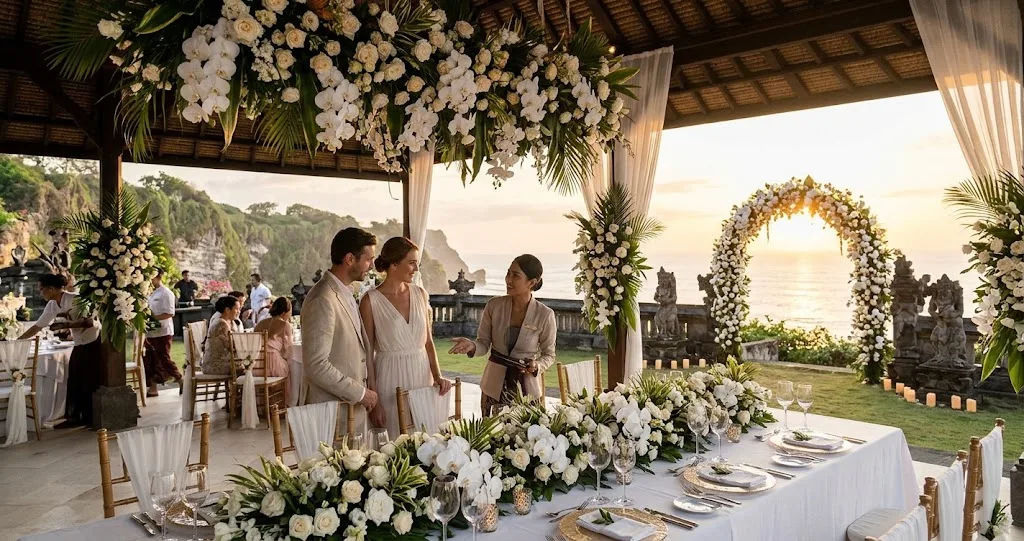
A destination wedding is about more than choosing a stunning venue and creating beautiful decorations. Couples also need to ensure their guests feel comfortable, informed, and welcomed throughout the celebration. This is where professional planning and organized guest management become essential. A luxury wedding planner Bali service can help couples coordinate these arrangements while creating a smooth, enjoyable experience for everyone attending the wedding.
Whether you are planning an intimate beachfront ceremony or a grand celebration at a private villa, effective guest management can make a significant difference. With the right support, couples can spend less time worrying about logistics and more time enjoying their special occasion with family and friends.
Guest Management for a Destination Wedding
Guest management involves organizing the practical arrangements that help wedding guests attend, navigate, and enjoy the celebration. It starts long before the wedding day and may continue until guests depart from Bali.
luxury wedding planner Bali traditional local wedding, a destination wedding often requires additional planning. Guests may need international flights, airport transportation, hotel reservations, local travel information, and guidance about the wedding schedule.
Managing these details independently can become overwhelming, especially when the guest list includes dozens or hundreds of people.
A professional planner can establish a clear system for collecting information, communicating important updates, and coordinating different services. This makes the entire experience easier for both the couple and their guests.
What Does Guest Management Include?
Guest management can cover several important responsibilities, including:
-
Collecting guest names, contact information, and attendance confirmations.
-
Coordinating accommodation options and room reservations.
-
Organizing airport pickups and transportation between venues.
-
Communicating wedding schedules and event locations.
-
Recording dietary requirements and accessibility needs.
-
Helping guests understand local customs and practical travel information.
-
Coordinating welcome events, wedding ceremonies, and post-wedding gatherings.
-
Providing assistance when unexpected travel or scheduling problems arise.
The exact services depend on the planner's package, the wedding budget, and the couple's requirements.
Some planners offer comprehensive guest concierge services, while others focus mainly on the wedding ceremony and reception. Couples should confirm which responsibilities are included before signing an agreement.
How a Luxury Wedding Planner Bali Manages Guest Invitations and RSVPs
The guest management process usually begins with invitations and attendance confirmations. These early steps help the planning team estimate the number of people attending and organize the resources required for the celebration.
A professional planner can help couples establish an organized RSVP process that makes it easier to track responses and identify guests who need additional information.
Creating an Organized Guest List
A detailed guest list is the foundation of successful wedding planning.
The planner may organize guest information according to household, family group, travel arrangements, accommodation requirements, and attendance at individual events.
For example, some guests may attend only the wedding ceremony and reception, while others may participate in a welcome dinner, poolside gathering, or farewell brunch.
Keeping these details organized helps prevent confusion when coordinating meals, transportation, seating, and event access.
The couple should also decide who will have access to personal guest information and how that information will be stored securely.
Managing RSVP Deadlines
Guests traveling internationally often need more time to arrange their schedules. Clear RSVP deadlines help couples finalize catering numbers, accommodation arrangements, and transportation requirements.
A planner can send reminders to guests who have not responded and update the attendance list as confirmations arrive.
This approach reduces the likelihood of last-minute surprises.
It also allows the planning team to identify guests who may need additional support, such as elderly relatives who require accessible transportation or families traveling with young children.
Coordinating Guest Accommodation in Bali
Accommodation is one of the most important aspects of destination wedding planning. Bali offers a wide range of options, including luxury resorts, boutique hotels, private villas, and beachfront properties.
Choosing suitable accommodation requires balancing comfort, location, availability, and budget.
A professional planner can help couples compare suitable options and organize information so guests can make informed decisions.
Selecting Convenient Locations
The best accommodation depends on the wedding venue and the activities planned throughout the celebration.
For example, if the wedding takes place in Uluwatu, booking accommodation nearby may reduce travel time for guests attending several events.
A wedding in Ubud may require a different transportation strategy because travel times, road conditions, and distances vary across the island.
A planner can consider these factors when suggesting accommodation areas.
However, couples should understand that guests may prefer different price ranges and travel arrangements. Providing several suitable options can make the celebration more accessible to friends and family with different budgets.
Managing Room Reservations
Some hotels offer group booking arrangements that allow wedding guests to reserve rooms under a shared reference or agreed rate.
A planner may coordinate with accommodation providers to obtain availability information, communicate booking instructions, and monitor reservation deadlines.
The planner can also help the couple estimate how many rooms may be required.
However, room blocks, discounts, deposits, cancellation terms, and payment responsibilities depend on the accommodation provider's policies and the agreement negotiated.
Guests should receive clear instructions explaining whether they must book independently or whether the couple is arranging accommodation on their behalf.
Organizing Airport Transfers and Local Transportation
Transportation is another major responsibility when hosting a destination wedding.
Guests may arrive at different times, travel with different airlines, and stay at several hotels. Without a clear transportation plan, confusion can arise at the airport or on the way to wedding events.
An experienced luxury wedding planner Bali team can help coordinate transportation according to the guest list, arrival schedule, and event locations.
Airport Pickup Arrangements
The planner may collect flight details and prepare an arrival schedule showing when guests are expected to land.
Based on the agreed service, the team can coordinate drivers, vehicles, pickup points, and hotel transfers.
For larger weddings, guests can be grouped according to similar arrival times or accommodation locations.
This may help reduce unnecessary waiting and make transportation more efficient.
Guests should receive clear instructions about where to meet their driver, how to identify the vehicle, and whom to contact if their flight is delayed.
It is also important to explain whether airport transfers are included in the wedding budget or must be paid for separately.
Transportation Between Wedding Events
Destination weddings often involve multiple venues or activities.
Guests may attend a welcome dinner at a restaurant, the ceremony at a private villa, and a farewell brunch at another location.
A planner can develop a transportation schedule that considers departure times, estimated journey durations, parking arrangements, and the number of available vehicles.
For guests who prefer to explore Bali independently, the team can also provide general information about local transportation options.
Because traffic conditions can vary, particularly around busy tourist areas, realistic travel estimates and appropriate time buffers are important.
Creating a Comfortable Guest Experience
Successful guest management goes beyond transportation and accommodation. It also involves helping people feel welcomed and comfortable in an unfamiliar destination.
A wedding planner can coordinate thoughtful details that make the experience more enjoyable without requiring the couple to manage every request personally.
Preparing Welcome Packages
Welcome packages are a popular way to introduce guests to the destination and provide useful information.
Depending on the wedding style and budget, a package might include:
-
A personalized welcome note.
-
The wedding schedule and venue information.
-
Contact details for the planning team.
-
Drinking water or other suitable refreshments.
-
A small local gift.
-
Basic information about Bali's weather and clothing recommendations.
-
Transportation instructions and important meeting times.
For an outdoor wedding, couples might also provide fans, sunscreen, or other practical items appropriate for the conditions.
These small gestures can help guests feel appreciated from the moment they arrive.
Providing Local Information
International guests may be unfamiliar with Bali's customs, transportation arrangements, or local environment.
A planner can share practical information about respectful behavior at temples, suitable clothing for certain locations, local currency, and general travel considerations.
The information should be accurate, concise, and easy to understand.
Guests may also appreciate recommendations for nearby restaurants, shopping areas, beaches, and activities they can enjoy during their free time.
Providing this information in advance allows visitors to plan independently while knowing where to find assistance if necessary.
Managing Dietary Requirements and Special Requests
Food is an important part of many wedding celebrations. However, guests may have different dietary preferences, allergies, religious requirements, or medical needs.
Managing these requests carefully helps create a more inclusive experience.
Communicating With Caterers
A planner can collect dietary information during the RSVP process and share relevant requirements with the catering team.
Possible requests include vegetarian meals, vegan dishes, halal food, gluten-free options, and meals prepared without specific allergens.
The couple should provide accurate information about what the venue and caterer can accommodate.
For guests with severe food allergies, the planning team should communicate the requirements directly with the catering provider and confirm appropriate preparation procedures.
It is important not to promise an allergen-free meal unless the caterer can genuinely provide one.
Supporting Families and Older Guests
Families traveling with children may need high chairs, suitable meal options, stroller access, or additional time between activities.
Older guests may benefit from comfortable seating, shaded areas, shorter walking distances, and convenient transportation.
Guests with disabilities may require step-free access, accessible restrooms, or suitable vehicle arrangements.
A professional planner can identify these requirements early and coordinate practical solutions with the venue and relevant service providers.
Nevertheless, couples should verify accessibility arrangements directly with the venue because not every property in Bali offers the same facilities.
Organizing Seating and Wedding-Day Guest Flow
On the wedding day, even a well-planned event can become stressful if guests do not know where to go or when to move between activities.
Guest flow refers to the way people move through different areas and stages of the celebration.
A planner can coordinate arrivals, welcome drinks, ceremony seating, photography, dining, entertainment, and departures.
Arranging Seating Plans
Seating arrangements can be particularly important when guests come from different families, cultures, or social groups.
The planner can help the couple organize seating according to relationships, accessibility requirements, and the overall atmosphere they want to create.
For example, elderly relatives may be seated closer to the ceremony area, while families with young children may benefit from convenient access to restrooms.
At the reception, seating can be arranged to encourage conversation and ensure that guests feel comfortable.
The couple should review the final seating plan before the wedding to resolve any concerns.
Directing Guests Throughout the Event
Signage, clear instructions, and helpful staff can prevent confusion during the celebration.
Guests should know where to check in, where the ceremony will take place, and how to reach the reception area.
If the wedding takes place across a large villa or resort, directional signs and designated assistance points can be especially useful.
A planner may also coordinate ushers or guest assistants who answer questions and help people find their seats.
This allows the couple to focus on the ceremony instead of repeatedly giving directions.
Can a Luxury Wedding Planner Bali Handle Guest Emergencies?
Unexpected situations can occur during any destination wedding. Flights may be delayed, guests may become unwell, transportation may arrive late, or sudden weather changes may affect outdoor arrangements.
Although no planner can prevent every problem, an organized team can help reduce confusion and coordinate an appropriate response.
Managing Last-Minute Changes
A guest may arrive later than expected, miss a scheduled transfer, or request a change to an accommodation arrangement.
The planning team can review available options and communicate relevant updates to the people involved.
For example, if a flight delay affects several guests, the planner may coordinate with the transportation provider to determine whether a revised pickup is possible.
Any additional costs should be communicated clearly to the responsible person.
Similarly, if the weather affects an outdoor ceremony, the planner can work with the venue to activate an agreed alternative arrangement, provided that a suitable backup has been planned.
Establishing Emergency Procedures
A useful emergency plan includes important contact numbers, venue information, transportation contacts, and instructions for accessing local medical assistance.
For larger celebrations, the couple and planner should agree on who will make decisions if a serious issue arises.
The planning team should understand the limits of its responsibilities and contact qualified emergency services when necessary.
Couples should also consider travel insurance for themselves and their guests, while recognizing that coverage varies by policy.
Clear procedures help everyone respond more calmly when unexpected situations occur.
Improving Communication Before and During the Wedding
Communication is one of the most effective ways to simplify guest management.
When guests receive accurate information at the right time, they are less likely to miss important details or repeatedly contact the couple with routine questions.
Using Digital Wedding Information
A wedding website or digital information page can bring important details together in one place.
It may include the event schedule, accommodation suggestions, dress codes, transportation instructions, venue locations, RSVP forms, and answers to common questions.
Guests can review the information whenever they need it.
For privacy, the couple should avoid publishing sensitive personal details or confidential travel information on a publicly accessible page.
A password-protected page or a carefully managed guest communication group may be more appropriate for certain details.
Sending Timely Updates
The planning team can send reminders before each event and communicate changes when necessary.
For example, guests might receive a reminder about the welcome dinner several days beforehand, followed by a brief message confirming the meeting location and departure time.
During the wedding, a designated contact person can answer practical questions so the couple does not need to manage every message.
Communication should remain clear and concise, especially when guests are traveling or following a busy schedule.
Planning Activities Beyond the Wedding Ceremony
Many couples want their destination wedding to feel like a shared holiday rather than a single event.
Bali offers opportunities for cultural experiences, beach outings, wellness activities, sightseeing, and group dining.
A planner may help coordinate optional activities that give guests more opportunities to connect.
Arranging Welcome Dinners and Group Experiences
A welcome dinner allows guests to meet before the main celebration.
It can be particularly useful when relatives and friends are traveling from different countries and have not met previously.
Other options include a relaxed brunch, a group excursion, or a farewell gathering.
The planner can help coordinate reservations, timing, transportation, and communication with the relevant providers.
Participation should generally remain optional unless the couple has clearly explained that an activity is part of the formal wedding schedule.
This gives guests freedom to enjoy their time in Bali according to their interests and energy levels.
Balancing Group Activities With Free Time
A busy schedule may leave guests feeling tired, particularly after long international flights.
Couples should avoid assuming that everyone wants to participate in every activity.
A well-designed itinerary balances planned gatherings with opportunities for rest and independent exploration.
A planner can help identify practical time gaps and suggest activities that suit different age groups and interests.
This approach creates a welcoming atmosphere without making guests feel that their entire trip is controlled by the wedding schedule.
How Much Does Guest Management Cost?
The cost of guest management varies according to the number of attendees, the complexity of the wedding, the services required, and the planner's pricing structure.
Some planners include basic guest coordination within a comprehensive wedding package. Others charge additional fees for concierge services, accommodation management, transportation coordination, or on-site guest assistance.
Couples should request a detailed proposal explaining what is included.
Important questions include whether the planner will manage RSVPs, communicate directly with guests, coordinate hotel bookings, arrange transfers, and provide assistance during the wedding.
It is also worth asking whether staffing, transportation, communication tools, and additional working hours involve separate charges.
How to Plan a Realistic Budget
Start by identifying which guest services are essential.
For example, a wedding with 25 guests staying at one resort may require less coordination than a celebration with 150 guests staying across several properties.
Next, decide which expenses the couple will cover and which guests will pay themselves.
The couple might pay for airport transfers while allowing guests to choose and book their own accommodation.
Alternatively, they may provide a limited number of hosted activities and offer optional excursions at individual cost.
Clear financial arrangements prevent misunderstandings and help guests plan their trips confidently.
How to Choose the Right Wedding Planner for Guest Management
Not every wedding planner provides the same level of guest support. Couples should evaluate the planner's experience, communication style, available services, and approach to problem-solving.
A beautiful portfolio is useful, but it does not necessarily demonstrate strong guest management skills.
Ask About Previous Destination Weddings
Ask whether the planner has managed weddings with similar guest numbers, venue arrangements, and travel requirements.
Experience coordinating international guests can be particularly valuable when the celebration involves multiple accommodation providers and transportation schedules.
You can also ask how the planner handles delayed arrivals, special dietary requests, and last-minute changes.
The answers should demonstrate practical experience rather than vague promises.
Review the Service Agreement
Before committing, carefully review the written agreement.
It should explain the services provided, payment schedule, cancellation terms, communication arrangements, and any limitations.
Confirm whether guest management continues throughout the entire wedding itinerary or only during selected events.
If a separate concierge team is involved, clarify who supervises that team and how guests can contact them.
These details establish realistic expectations and reduce the likelihood of disagreements later.
Evaluate Communication and Personal Attention
The best planner for your wedding should listen carefully to your priorities and explain how the proposed arrangements will work.
They should be comfortable discussing your budget, guest demographics, accessibility requirements, and preferred level of involvement.
Ask how often you can expect updates and who will serve as your main point of contact.
Reliable communication is especially important when you are planning a wedding from another country.
Conclusion
A destination wedding in Bali can be a memorable experience, but managing guests requires organization, communication, and careful attention to individual needs. From collecting RSVPs and arranging accommodation to coordinating airport transfers, dietary requests, seating plans, and emergency procedures, guest management involves many responsibilities that extend beyond the wedding ceremony itself.
A luxury wedding planner Bali service can help bring these arrangements together by creating a structured plan and coordinating the people responsible for delivering it. Depending on the agreed package, this support can make travel easier for guests, reduce confusion on the wedding day, and give couples more time to enjoy their celebration.
The most effective approach begins with understanding the needs of your guests. Consider their travel schedules, budgets, ages, accessibility requirements, and preferred activities. Provide clear information, set realistic expectations, and make sure everyone knows whom to contact when they need assistance.
It is equally important to choose a planner whose services match the complexity of your wedding. Ask detailed questions about guest coordination, accommodation, transportation, communication, and emergency planning before making a commitment.
Remember that excellent guest management does not mean controlling every aspect of the guest experience. Instead, it means removing unnecessary difficulties and creating an environment where people feel informed, comfortable, and welcome.
With thoughtful preparation and the right professional support, you can create a wedding experience that celebrates your relationship while allowing family and friends to enjoy the beauty of Bali with greater confidence and peace of mind.