
Choosing the right gym clothing can make a big difference when you begin exercising. Comfortable clothes help you move freely, manage sweat, and feel more confident while learning new exercises. You do not need an expensive wardrobe or the latest fitness trends to get started. A few practical essentials can help you build a useful workout collection without spending too much money.
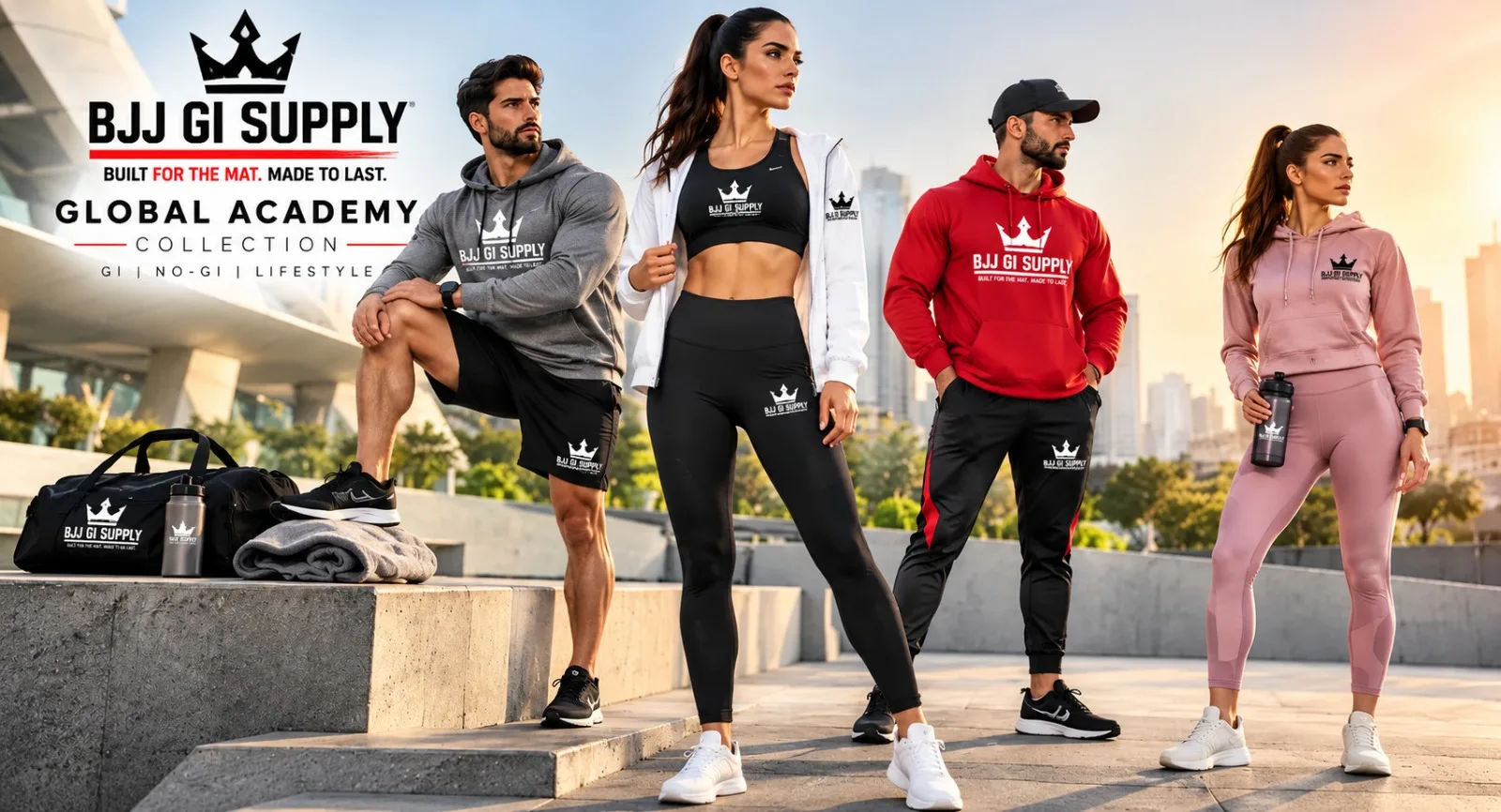
For beginners, the best Sports Wears are those that fit properly, feel comfortable against the skin, and suit the type of exercise you plan to do. Clothing for weight training may differ from what you need for running, cycling, yoga, or group fitness classes. Understanding these differences can help you make better choices from the beginning.
It is also important to remember that gym clothing is not just about appearance. The right fabric, supportive footwear, and suitable accessories can make exercise more comfortable and help you focus on your workout rather than constantly adjusting your clothes.
Whether you are joining a gym for the first time, starting a home workout routine, or returning to exercise after a long break, this guide explains what to buy, what to look for, and how to choose gym essentials that fit your needs and budget.
1. Comfortable T-Shirts and Workout Tops
A comfortable workout top is one of the first things every gym beginner should purchase. You will wear it during warm-ups, weight training, cardio sessions, and many other exercises.
Look for a shirt that allows your shoulders and arms to move freely. A top that is too tight may restrict movement, while an oversized shirt may get in the way during certain exercises.
Choose Breathable Fabrics
Cotton shirts are soft and comfortable, making them suitable for light workouts. However, cotton absorbs sweat and can become heavy during intense exercise.
Moisture-wicking polyester, nylon, and suitable fabric blends are often better for sweaty workouts. These materials help move moisture away from the skin and usually dry faster than traditional cotton.
Find the Right Fit
Choose a fit that feels comfortable when you bend, stretch, and raise your arms. You should not have to pull your shirt into place repeatedly during exercise.
Beginners do not need several expensive tops. Two or three suitable workout shirts are enough to start, provided you can wash and dry them between sessions.
2. Gym Shorts, Leggings, and Workout Pants
Your lower-body clothing should support movement without becoming uncomfortable. The best choice depends on your preferred exercises, personal style, and the temperature of your gym.
Workout Shorts
Workout shorts are a practical option for weightlifting, indoor cycling, and general fitness training. They provide ventilation and allow your legs to move freely.
Choose shorts with a comfortable waistband and a suitable length. Some designs include inner liners or pockets, which can be useful during training.
Avoid shorts that slide down, pinch your waist, or become restrictive when you squat.
Leggings and Training Tights
Leggings are popular because they offer flexibility and stay close to the body. They are suitable for yoga, stretching, strength training, and many cardio workouts.
When choosing leggings, check that the fabric is not transparent when you bend or squat. A comfortable waistband should stay in place without digging into your skin.
Joggers and Training Pants
Joggers are useful when you prefer more coverage or exercise in a cooler environment. Lightweight training pants can also work well for warm-ups and outdoor workouts.
Avoid excessively loose pants around moving gym equipment, where fabric could become caught. Select clothing that allows free movement while remaining secure.
3. A Supportive Sports Bra for Women
For women, a suitable sports bra is an important part of a comfortable workout wardrobe. It helps reduce breast movement during exercise and may make activities such as running, jumping, and strength training more comfortable.
Sports bras come in different support levels, so the right choice depends on your workout.
Low, Medium, and High Support
Low-support bras are generally suitable for gentle stretching, walking, and some yoga sessions.
Medium-support options can work well for activities such as weight training, brisk walking, and moderate cycling.
High-support sports bras are often preferable for running, jumping, and other high-impact workouts.
Focus on Fit and Comfort
The band should feel secure without making breathing difficult. Straps should stay in place, and the fabric should not rub against the skin.
If possible, try the bra on and move your arms, twist your torso, and perform a few gentle jumps. These movements can help you judge whether the support is suitable.
Women who prefer not to wear a sports bra should choose whatever comfortable, appropriate clothing meets their individual needs.
4. The Right Gym Shoes
Shoes are among the most important items in your gym bag. They affect comfort, grip, and stability, so it is worth choosing them carefully.
You do not necessarily need separate shoes for every activity when starting out. A versatile pair of training shoes may be enough for a beginner who combines moderate cardio with basic strength exercises.
Training Shoes for Weightlifting
For general strength training, look for shoes with a secure fit and a stable base. Excessively soft, cushioned running shoes may feel less stable for some heavy lifting exercises.
Specialized weightlifting shoes are usually unnecessary for beginners learning basic movments.
Running Shoes for Cardio
Running shoes are designed primarily for running and often provide cushioning to suit repeated impact.
If your routine includes treadmill running, outdoor jogging, or longer walks, choose shoes that fit your feet well and feel comfortable during movement.
How to Find a Good Fit
Try shoes on with the socks you normally wear for exercise. Your toes should have enough room to move, while your heel should remain secure.
Do not assume that a particular brand or expensive model will automatically suit you. Comfort, fit, activity type, and stability matter more than appearance.
5. Comfortable Socks for Training
Socks may seem like a small detail, but they can affect how your feet feel during a workout.
Choose socks that fit securely without bunching up inside your shoes. Excess fabric can cause friction, while tight elastic may feel uncomfortable around your ankles.
Moisture-wicking synthetic fabrics or suitable wool blends can help manage sweat. Cotton socks can still be comfortable for light exercise, but they may remain damp during longer or more intense sessions.
If you experience rubbing or blisters, try a different sock thickness or fit. Changing damp socks after a workout can also improve comfort.
You do not need specialized athletic socks immediately. A few comfortable pairs that work well with your training shoes are a sensible starting point.
6. A Lightweight Hoodie or Training Jacket
A lightweight jacket or hoodie can be useful when travelling to the gym, warming up, or exercising in an air-conditioned room.
It provides an extra layer before your workout and can be removed when your body warms up. A zip-up design is especially practical because you can take it off without disturbing your workout clothes.
Choose a breathable material rather than a heavy jacket that traps too much heat during intense exercise.
You may not need this item if your gym is consistently warm. However, it can be useful for outdoor exercise in cooler weather or for travelling between home and the gym.
Remember that wearing extra layers to sweat more does not mean you are losing more body fat. Excessive sweating mainly causes fluid loss, which needs to be replaced.
7. Essential Accessories for Gym Beginners
Along with clothing and footwear, a few simple accessories can make your gym routine easier to manage.
A Water Bottle
Bring a reusable water bottle so you can drink during your workout. Your fluid needs depend on exercise intensity, duration, temperature, and individual factors.
Keep the bottle clean and refill it as needed.
A Workout Towel
A small towel is useful for wiping sweat and keeping shared equipment clean. Follow your gym's hygiene rules and clean machines after use.
Choose a lightweight towel that fits easily into your gym bag.
A Gym Bag
A basic sports bag helps you carry your clothes, shoes, towel, and personal items.
Look for a bag with enough room for your essentials and separate compartments if you prefer to keep clean clothing apart from sweaty items.
Resistance Bands
Resistance bands can be useful for warm-ups, mobility exercises, and beginner strength routines. They are relatively compact and can also support home workouts.
You do not need to buy a large collection immediately. Start with equipment recommended for your planned exercises.
Optional Fitness Accessories
A phone holder, lifting straps, gloves, or a fitness tracker may be useful for certain people, but they are not essential for every beginner.
Learn the basics first, then purchase additional accessories when you understand what your routine actually requires.
8. How to Choose Sports Wears for Different Workouts
Different activities place different demands on your clothing. Matching your outfit to your exercise can improve comfort and help you move with confidence.
Weight Training
For weight training, choose a fitted or moderately relaxed shirt, comfortable shorts or leggings, and stable shoes.
Clothing should allow full movement through exercises such as squats, lunges, presses, and rows. Avoid loose fabric that interferes with your movement or catches on equipment.
Cardio and Running
Cardio workouts often produce more sweat, so breathable, moisture-wicking fabrics can be particularly useful.
Running shorts, lightweight tops, supportive sports bras where appropriate, and activity-suitable shoes make a practical combination.
For outdoor exercise, consider the weather and visibility. Reflective details may be helpful when running in low-light conditions.
Yoga and Stretching
Yoga and stretching require clothing that moves comfortably with your body.
Flexible leggings, fitted tops, and breathable fabrics can make it easier to perform different poses without constantly adjusting your outfit.
Choose materials that provide sufficient coverage when bending or stretching. For yoga, suitable bare feet or the footwear recommended by your studio may be preferable to regular gym shoes.
High-Intensity Interval Training
High-intensity interval training, often called HIIT, combines short periods of demanding activity with recovery periods.
For these workouts, choose clothing that manages sweat and stays secure during jumping, running, and rapid changes of direction.
Supportive footwear with appropriate grip can be useful, particularly when your routine includes lateral movements.
9. How Much Should Beginners Spend?
Starting a fitness routine does not require a large shopping budget. It is usually better to buy a small number of reliable items than to purchase an entire wardrobe immediately.
A practical beginner collection might include:
-
Two or three workout tops.
-
Two pairs of shorts, leggings, or training pants.
-
One suitable pair of gym shoes.
-
Three or four pairs of comfortable socks.
-
A sports bra, if needed.
-
A water bottle and small towel.
A hoodie, specialized shoes, and additional accessories can be purchased later if they become necessary.
Prioritize Quality Over Quantity
Look for durable stitching, comfortable seams, breathable materials, and a fit that remains secure during movement.
Read care labels before purchasing. Some garments require special washing instructions to maintain their shape and performance.
You can also save money by choosing basic colours that are easy to mix and match. Neutral shades such as black, grey, navy, and white work well together.
The goal is to build a practical collection of Sports Wears bjj gi that supports your routine without creating unnecessary expenses.
10. Common Clothing Mistakes Beginners Should Avoid
Choosing gym clothing becomes easier when you understand which mistakes can affect comfort and safety.
Buying Clothes Only for Appearance
Stylish clothing can be motivating, but appearance should not be the only deciding factor. A fashionable outfit is not useful if it restricts movement or becomes uncomfortable after a few minutes.
Prioritize fit, fabric, and suitability for your activities.
Wearing the Wrong Footwear
Running shoes, casual sneakers, and lifting shoes are designed for different purposes. Choose footwear that suits your main activities and provides appropriate stability.
If you experience persistent discomfort, consider getting advice from a qualified footwear specialist or healthcare professional.
Ignoring Sweat and Hygiene
Wearing damp clothes repeatedly can contribute to skin irritation and unpleasant odours.
Change out of sweaty clothing after exercise, wash garments regularly, and allow shoes to dry between sessions.
Avoid sharing personal towels or clothing.
Choosing the Wrong Size
Clothing that is too tight may restrict movement, while oversized garments can become distracting or interfere with certain exercises.
Try basic movements before committing to an outfit. Squatting, stretching, and raising your arms can reveal fit problems that are not obvious when standing still.
Spending Too Much at the Beginning
Expensive branded clothing is not necessary for effective exercise. Beginners benefit more from comfortable essentials and a consistent routine than from purchasing every available fitness accessory.
Start with the basics and upgrade when you identify a genuine need.
11. How to Care for Your Gym Clothing
Good care helps your clothing last longer and remain comfortable.
Wash sweaty items soon after exercise when possible. Follow the garment's care label, use a suitable detergent, and avoid excessive heat if the material requires gentle washing.
Fabric softeners may affect the moisture-wicking performance of some technical garments, so check the manufacturer's instructions.
Allow shoes to air out between sessions. Removing damp insoles, when practical, can help them dry more effectively.
Keep clean clothes separate from used gym clothing in your bag. A washable compartment or separate laundry pouch can make this easier.
Regular care protects your investment and helps maintain a clean, comfortable workout wardrobe.
Conclusion
Choosing the right gym clothing is a simple butYes, Sports Wears can absolutely be worn every day, and they can be an excellent choice for people who value comfort, movement, and a relaxed appearance. Modern athletic clothing offers a wide variety of styles, fabrics, and designs that can suit many daily activities, from shopping and travelling to meeting friends and enjoying outdoor walks.
The most important factor is choosing the right clothing for the situation. Breathable T-shirts, comfortable joggers, flexible leggings, sweatshirts, and suitable athletic shoes can form the foundation of a practical everyday wardrobe. With thoughtful colour combinations and appropriate layering, these pieces can look stylish without sacrificing comfort.However, daily use also requires attention to hygiene, fit, fabric quality, and dress codes. Clothing worn during exercise should be cleaned regularly, and formal or professional settings may call for more traditional outfits. It is also important to select materials that suit the weather and garments that support your intended activities.