
An ecommerce website design company can absolutely handle website redesigns. In fact, redesigning an existing online store is one of the most common services provided by professional web design teams. As customer expectations change, businesses often need to update their websites to improve appearance, usability, speed, mobile performance, and sales.
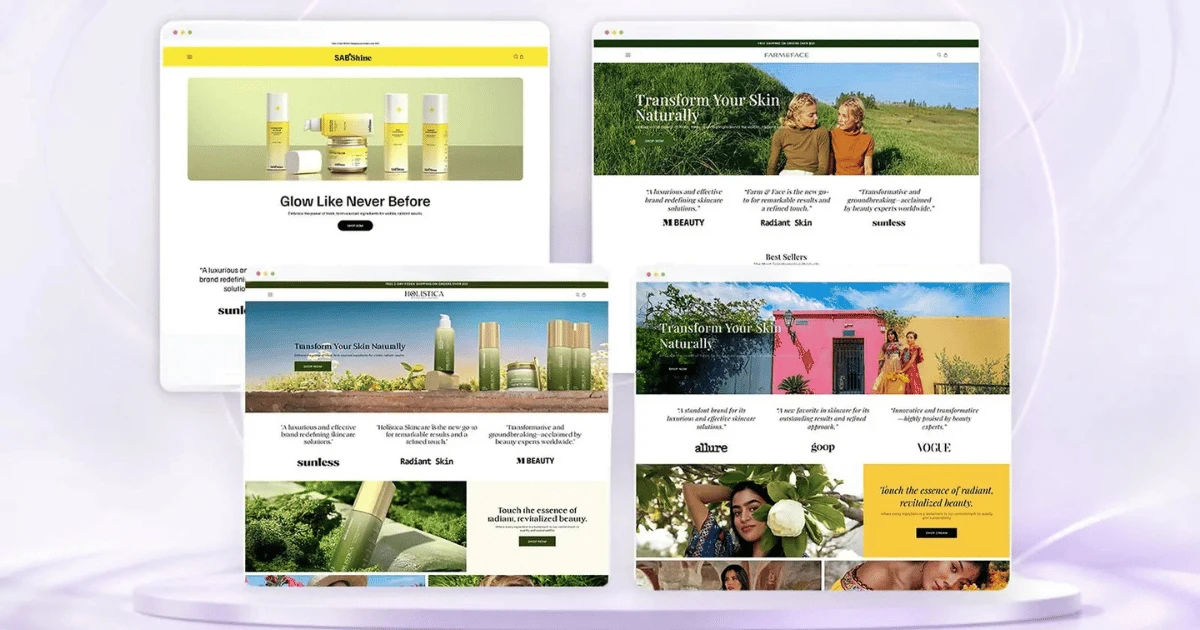
A redesign is more than simply changing colors, images, or fonts. A successful ecommerce redesign looks at the entire customer journey, from the moment visitors arrive on the homepage to the time they complete checkout. The goal is to create a modern shopping experience while protecting the features and search visibility that already work well.
For businesses with an outdated, slow, or difficult-to-use online store, working with an experienced ecommerce website design company can make the redesign process much easier. Professionals can evaluate the current website, identify problems, recommend improvements, and build a new version that supports both customer needs and business goals.
What Is an Ecommerce Website Redesign?
An ecommerce website redesign involves improving an existing online store rather than building a completely new business website from the beginning.
The process may include updating the visual design, reorganizing navigation, improving product pages, simplifying checkout, optimizing mobile responsiveness, and improving website performance.
Some redesigns are relatively small. For example, a company may only need a new homepage, updated branding, and better product layouts.
Other projects are much larger. A business may need to change its ecommerce platform, restructure its website, migrate products, update technical features, and completely rebuild the customer experience.
A professional ecommerce website design company can determine how extensive the redesign needs to be based on the website's current problems and the company's objectives.
Why Do Ecommerce Websites Need Redesigns?
Online shopping habits change quickly. A website that looked modern several years ago may now appear outdated.
Customers also expect websites to load quickly and work smoothly on smartphones and tablets. If an online store does not meet these expectations, visitors may leave before purchasing anything.
There are several common reasons businesses decide to redesign their ecommerce websites.
Outdated Website Design
Visual trends change over time. An older website may have crowded pages, outdated graphics, inconsistent fonts, or an appearance that no longer matches the company's brand.
A redesign can create a cleaner and more professional appearance.
Poor User Experience
Customers should be able to find products, understand product information, add items to their carts, and complete purchases without confusion.
If navigation is complicated or important information is difficult to locate, a redesign can help remove unnecessary steps.
Weak Mobile Experience
A large number of shoppers browse and purchase products using mobile devices. If an ecommerce store was designed primarily for desktop computers, its mobile experience may be poor.
A redesign can make menus, product images, buttons, forms, and checkout pages easier to use on smaller screens.
Slow Performance
Slow loading times can frustrate shoppers and negatively affect the overall customer experience.
During a redesign, developers can review images, scripts, code, hosting, applications, and other factors that may be affecting performance.
Low Conversion Rates
A website may receive plenty of visitors but generate relatively few sales.
This can happen because of unclear calls to action, complicated checkout processes, poor product pages, weak trust signals, or confusing navigation.
A redesign can address these issues and make the buying journey more straightforward.
Can a Design Company Redesign an Existing Ecommerce Website?
Yes. An experienced ecommerce website design company can redesign an existing store without necessarily starting everything from scratch.
The first step is usually an evaluation of the current website.
Professionals may examine the site's structure, design, navigation, product pages, checkout process, mobile performance, technical setup, analytics, and search engine performance.
This evaluation helps determine what should stay, what should be improved, and what should be replaced.
The redesign can then be planned around the business's existing strengths rather than removing useful features unnecessarily.
What Does an Ecommerce Redesign Process Include?
A professional redesign normally involves several stages.
Website Audit
The project may begin with a detailed audit.
The team examines the current website to identify design problems, technical issues, usability concerns, broken pages, slow-loading elements, and opportunities for improvement.
Analytics data can also provide valuable information.
For example, if many visitors leave the website from a particular product page, that page may require closer attention.
Research and Planning
After reviewing the current store, the design team can create a redesign strategy.
This strategy should consider the company's target customers, products, competitors, branding, sales objectives, and technical requirements.
Clear planning helps prevent unnecessary changes and keeps the project focused.
Wireframing
Wireframes provide a basic structure for important pages.
They can show where navigation menus, product images, descriptions, buttons, reviews, filters, and other elements will appear.
Wireframes allow businesses to review the proposed structure before significant development work begins.
Visual Design
Once the structure is established, designers can develop the visual appearance.
This may include colors, typography, imagery, icons, product layouts, banners, and other branding elements.
The design should look attractive while remaining practical and easy to navigate.
Development
After the design is approved, developers implement the new experience.
Depending on the project, this may involve modifying an existing ecommerce platform or rebuilding portions of the website.
Integrations with payment systems, inventory tools, shipping services, customer management platforms, analytics software, and other applications may also need to be maintained or updated.
Testing
Testing is an important part of a redesign.
The website should be tested on different screen sizes and devices.
Forms, menus, shopping carts, payment processes, search functions, filters, product variations, and checkout steps should all work correctly.
A professional ecommerce website design company should also check for broken links, missing images, layout problems, and other issues before launch.
Can a Redesign Preserve SEO?
Yes, but SEO should be considered from the beginning of the redesign.
Changing website URLs, page structures, navigation, content, or technical settings without proper planning can create search engine problems.
An experienced ecommerce website design company can help protect existing organic traffic by reviewing important SEO elements before making major changes.
These may include URLs, title tags, meta descriptions, headings, internal links, structured data, canonical settings, XML sitemaps, and redirects.
If URLs need to change, appropriate redirects can help guide users and search engines from old pages to relevant new locations.
It is also important to identify valuable pages before the redesign.
Pages that already attract substantial search traffic should not be removed casually.
Will the Redesign Affect Existing Content?
It can, depending on the project.
Some businesses keep most of their existing content while improving its organization and presentation.
Others use the redesign as an opportunity to rewrite product descriptions, improve category pages, update images, and remove outdated information.
Content should support the customer journey.
Product descriptions should answer common questions, explain important features, and help shoppers understand why a product is useful.
The redesign should make this information easier to find rather than hiding it behind unnecessary design elements.
How Does a Redesign Improve User Experience?
User experience is one of the most important reasons for redesigning an ecommerce website.
A good online store should make shopping feel simple.
Customers should quickly understand what the business sells and where they need to go next.
Clear categories and logical navigation can make product discovery easier.
Search functionality can also help customers find specific products quickly.
Product pages should provide important information without overwhelming the shopper.
High-quality images, pricing, availability, specifications, reviews, shipping details, and clear purchase buttons can all contribute to a better experience.
What About Checkout Improvements?
Checkout is especially important because it is the final stage before a sale.
If customers encounter unnecessary forms, confusing instructions, unexpected costs, or technical problems, they may abandon their carts.
During a redesign, a ecommerce website design company can examine the checkout process and identify unnecessary steps.
The goal is to make checkout simple while still collecting the information the business genuinely needs.
Mobile checkout deserves particular attention because completing forms on a small screen can be frustrating when fields and buttons are poorly designed.
Can a Redesign Improve Website Speed?
A redesign can create opportunities to improve performance.
Large images can be optimized.
Unused scripts can be removed.
Page layouts can be simplified.
Modern development practices can also help reduce unnecessary loading.
However, website speed depends on many factors, including hosting, third-party applications, plugins, databases, and the ecommerce platform itself.
For this reason, performance should be measured before and after the redesign rather than judged only by appearance.
How Much Does an Ecommerce Redesign Cost?
The cost of redesigning an online store varies significantly.
A small redesign involving visual improvements may cost considerably less than a complete ecommerce rebuild.
Several factors influence the final price.
These include the number of pages, ecommerce platform, number of products, custom functionality, integrations, content requirements, design complexity, migration needs, SEO work, and testing requirements.
Businesses should avoid selecting a provider based only on the lowest quote.
A cheaper project may exclude important services such as SEO migration, testing, content support, or post-launch maintenance.
The better approach is to compare the scope of work and expected outcomes.
How Long Does a Redesign Take?
There is no single timeline for every ecommerce redesign.
A small project may take a few weeks, while a large ecommerce website can require several months.
The timeline depends on the size and complexity of the store.
Businesses can help keep the project moving by providing branding materials, content, product information, feedback, and approvals on time.
Clear communication between the business and design team can prevent unnecessary delays.
How Should a Business Choose the Right Design Company?
Choosing the right provider is an important decision.
Businesses should review the company's previous ecommerce projects and look for experience with websites similar to their own.
It can also be useful to examine case studies and determine whether the company understands conversion optimization, mobile design, SEO, performance, and ecommerce functionality.
Communication is another important factor.
The business should understand who will manage the project, how feedback will be handled, what the development process looks like, and what happens after launch.
A reliable ecommerce website design company should be willing to explain its process clearly instead of making unrealistic promises.
Should the Entire Website Be Rebuilt?
Not necessarily.
A full rebuild is sometimes appropriate, especially when the existing website has serious technical limitations.
However, rebuilding everything is not always the best solution.
Some parts of an existing store may already perform well.
A professional assessment can determine whether the business needs a complete rebuild or a more focused redesign.
Keeping useful elements can reduce development time, cost, and unnecessary risk.
What Should Businesses Do Before a Redesign?
Preparation can make the project much smoother.
Businesses should first identify why they want a redesign.
Instead of simply saying that the website looks old, they should identify specific problems.
For example, the company may want to increase mobile conversions, reduce cart abandonment, improve navigation, increase average order value, or make product discovery easier.
Existing analytics should also be reviewed.
Important pages, traffic sources, conversion data, customer behavior, and search performance can provide useful information for planning.
The business should also make a list of essential integrations and features that cannot be lost during the redesign.
What Happens After Launch?
A redesign should not be considered finished immediately after the website goes live.
Post-launch monitoring is important.
The business should watch website traffic, conversions, sales, search rankings, page speed, error reports, and customer feedback.
Some problems may only become visible after real customers begin using the redesigned website.
A professional ecommerce website design company may provide maintenance and support after launch to help resolve these issues.
Regular improvements can keep the website useful as technology and customer expectations continue to change.
Common Mistakes to Avoid During an Ecommerce Redesign
One common mistake is focusing too heavily on appearance.
A beautiful website can still perform poorly if customers cannot find products or complete purchases easily.
Another mistake is ignoring mobile users.
A website should be designed for different screen sizes rather than simply shrinking a desktop layout.
Businesses should also avoid changing URLs without an SEO migration strategy.
Removing useful content without analyzing its value can cause additional problems.
Finally, companies should avoid launching without sufficient testing.
A small checkout problem can result in lost sales, so important functions should be carefully checked before and after launch.
Conclusion
An ecommerce redesign can be an excellent investment when an online store no longer meets customer or business expectations. Whether the problem is outdated design, poor mobile performance, confusing navigation, slow pages, or weak conversions, a structured redesign can address these challenges.
An experienced ecommerce website design company can guide the process from the initial website audit through planning, design, development, testing, and launch. The most effective redesigns do not simply make a website look newer. They improve the entire shopping experience while supporting business objectives.
The key is to begin with clear goals and data. Businesses should understand what is working, identify what is failing, and decide what improvements will have the greatest impact.
A successful redesign should also protect valuable SEO performance, preserve essential functionality, and make the website easier for customers to use on both desktop and mobile devices.
Most importantly, a redesign should be viewed as an opportunity to create a stronger foundation for future growth. With careful planning, thoughtful design, technical expertise, and ongoing optimization, an existing ecommerce website can become faster, easier to use, more professional, and better prepared to convert visitors into customers.
For businesses considering this type of project, partnering with the right ecommerce website design company can make the difference between simply changing a website's appearance and creating a genuinely better ecommerce experience.