
Wounds can range from a small surgical incision to a deep pressure injury that requires careful medical attention. Although some wounds heal without much assistance, others need regular cleaning, dressing changes, infection monitoring, and professional assessment. 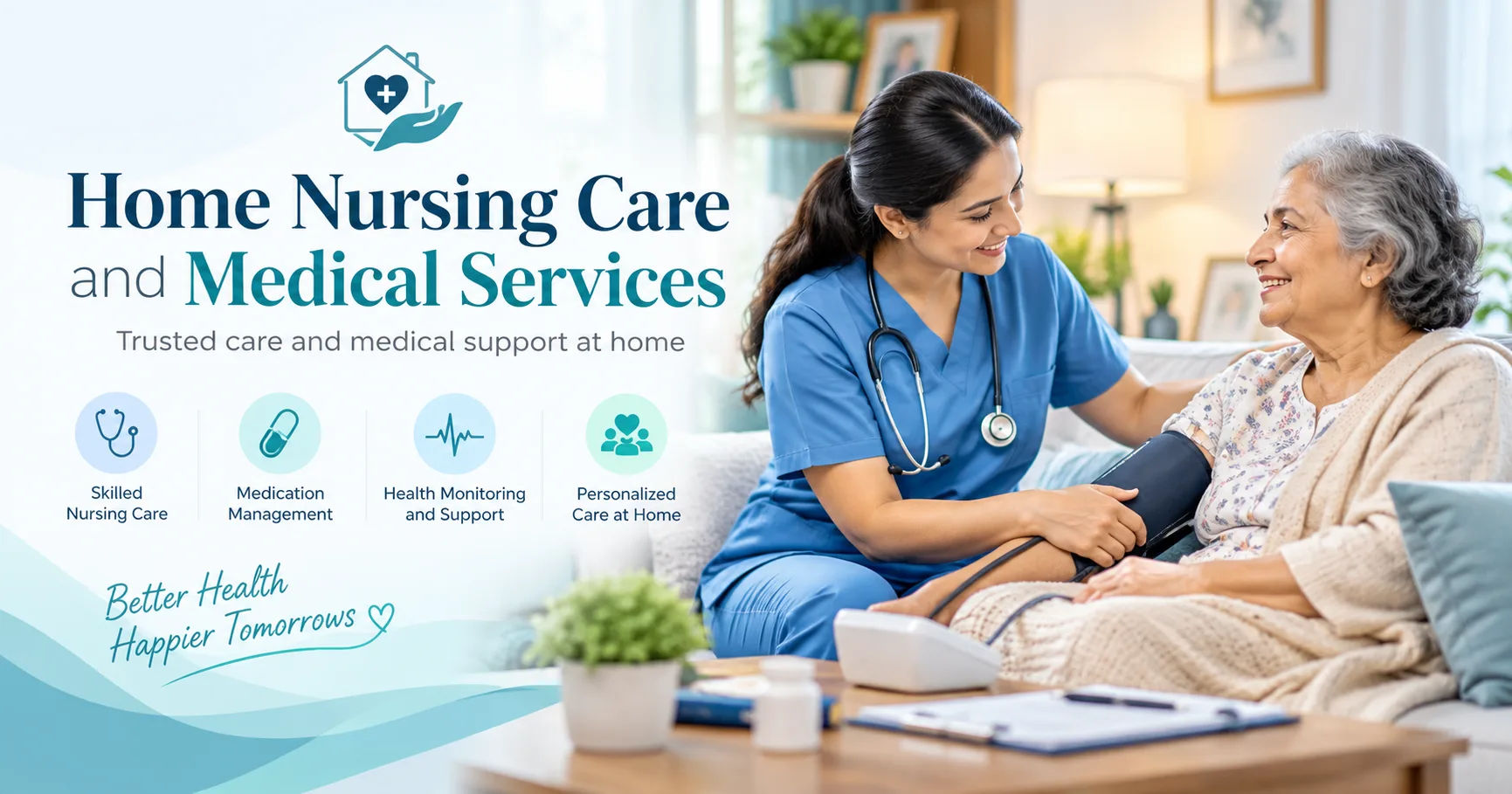 Managing these tasks at home can become difficult, especially when the patient has limited mobility or another condition that slows healing.
This is where professional nursing support can make a meaningful difference. Proper wound care is not simply about placing a fresh bandage over an injured area. The wound needs to be assessed, cleaned correctly, protected from contamination, and monitored for signs that healing is not progressing normally.
For many families, Home Nursing Care and Medical Services provide a practical way to manage wound treatment without requiring the patient to travel to a clinic for every dressing change. Depending on the patient's condition and the provider's scope of services, a qualified nurse may visit the home to provide wound care and communicate important changes to the supervising doctor or healthcare team.
Understanding what this care includes can help families know when professional assistance is appropriate and what they should expect from a home nursing visit.
What Does Home Wound Care Involve?
Home wound care refers to medical treatment provided to a wound while the patient remains at home. The exact procedure depends on the type, size, location, and condition of the wound.
A nurse may begin by examining the wound and checking the surrounding skin. They may look for swelling, redness, drainage, unusual odor, bleeding, or changes in tissue appearance.
The nurse then follows the treatment plan established for the patient. This might involve cleaning the wound, applying prescribed medications or topical products, placing a suitable dressing, and securing the area properly.
The goal is not only to protect the wound but also to create conditions that support healing.
Cleaning and Dressing Changes
One of the most common aspects of professional wound care is changing the dressing.
Old dressings must be removed carefully to avoid damaging newly formed tissue. The wound can then be cleaned according to the prescribed treatment plan before a new dressing is applied.
Different wounds require different dressing materials. A simple superficial wound may need basic protection, while a heavily draining wound may require a more absorbent dressing.
Professional Home Nursing Care and Medical Services can help ensure that dressing changes are performed consistently and according to medical instructions.
Monitoring the Healing Process
Wound care is not only a treatment procedure. It is also an ongoing process of observation.
During each visit, the nurse may compare the wound with previous observations. They can monitor whether the wound appears to be getting smaller, whether drainage is changing, and whether the surrounding skin looks healthier.
This ongoing observation can be particularly useful for patients recovering from surgery or dealing with wounds related to diabetes, limited mobility, or chronic illness.
If something appears concerning, the nurse can communicate the findings to the appropriate healthcare professional.
What Types of Wounds Can Be Treated at Home?
Home wound care can cover many different situations, although not every wound is appropriate for treatment exclusively at home.
Surgical Wounds
Patients often require wound care after an operation. Once they return home, they may still have an incision that needs observation and dressing changes.
A nurse can help maintain the incision according to the surgeon's instructions. This may include checking for excessive drainage, separation of the wound edges, increasing redness, or other changes that need medical attention.
Having professional support can also reduce the burden on family members who may be uncomfortable handling a surgical wound themselves.
Pressure Injuries
People who spend long periods in bed or use a wheelchair may develop pressure injuries. These wounds can become serious if they are not managed properly.
Care may involve dressing changes, skin assessment, repositioning guidance, and attention to pressure reduction. The broader treatment plan may also involve nutrition, hydration, mobility, and management of underlying health problems.
In these cases, Home Nursing Care and Medical Services may form one part of a larger care plan rather than serving as the only treatment.
Diabetic Foot Wounds
Diabetes can make wound management more complicated. Reduced sensation in the feet may cause a person to overlook an injury, while circulation problems can interfere with healing.
A diabetic foot wound should not be treated casually. Professional assessment is important because seemingly minor problems can become more serious.
Home nurses may provide dressing care and monitor the wound, but changes that suggest infection or deeper tissue involvement require prompt medical evaluation.
Cuts, Skin Tears, and Other Injuries
Older adults can sometimes develop skin tears from minor bumps or friction because aging skin tends to become thinner and more fragile.
Some uncomplicated injuries can be managed at home under appropriate instructions. A nurse can help protect the affected area and make sure dressing materials are used correctly.
However, wounds with significant bleeding, deep tissue damage, foreign objects, or severe contamination may require urgent medical treatment rather than routine home nursing.
What Happens During a Home Nursing Wound-Care Visit?
A typical visit begins with an assessment rather than immediately changing the dressing.
The nurse may ask how the wound has been feeling and whether the patient has experienced increased pain, fever, drainage, swelling, or other changes.
The existing dressing is usually removed carefully. The wound and surrounding skin are then examined.
After assessment, the nurse performs the prescribed cleaning and dressing procedure. Depending on the treatment plan, this could include cleansing the area, applying prescribed products, placing specialized wound material, and covering the wound with a fresh dressing.
The nurse may also document observations so that changes can be followed over time.
Good Home Nursing Care and Medical Services should involve communication as well as hands-on treatment. If the wound does not appear to be improving as expected, the nurse should follow the appropriate escalation process and notify the responsible healthcare professional when necessary.
Can Nurses Treat Infected Wounds at Home?
This depends heavily on the severity of the infection and the patient's medical plan.
A nurse may provide wound care for a patient who has an infection while the patient is being treated under medical supervision. For example, the doctor may prescribe medication and specify a wound-care routine that the nurse follows at home.
However, home nursing should not be viewed as a replacement for medical evaluation when an infection is suspected.
Signs that can require prompt medical attention include rapidly increasing redness or swelling, worsening pain, pus-like drainage, fever, chills, red streaks extending from the wound, a foul odor, or significant changes in the wound.
A patient with a serious infection may need laboratory testing, intravenous medication, surgical treatment, or hospital care.
Why Infection Monitoring Is Important
A wound can change between nursing visits. Family members should therefore know what symptoms have been identified as concerning and what action they should take if those symptoms appear.
Professional Home Nursing Care and Medical Services can provide monitoring, but patients and caregivers still play an important role between visits.
Does Home Nursing Include Medication for Wounds?
It can, but the exact service depends on the patient's prescription and the provider's professional scope.
Some wounds require prescribed creams, ointments, antimicrobial treatments, or other products. A nurse may apply these according to medical instructions.
If medication has been prescribed for an underlying infection or another condition, the nurse may also assist with administration when that service is included in the care plan and permitted within the applicable professional requirements.
Families should not assume that every home nursing provider offers every type of medication service. It is better to confirm the service before arranging care.
How Often Is Wound Care Needed?
There is no universal schedule for wound dressing changes.
Some dressings can remain in place for several days, while others need to be changed more frequently. The schedule may depend on drainage, wound type, dressing material, infection status, and the healthcare professional's instructions.
A wound with heavy drainage may need more frequent attention than a clean, healing surgical incision.
The nurse can follow the established care plan and document how the wound responds over time. If the condition changes, the healthcare team may adjust the treatment schedule.
Can Home Nursing Help With Pressure Injury Prevention?
Yes. Wound care and wound prevention often go together.
For patients who have limited mobility, nurses may assess areas that experience prolonged pressure. Common areas include the heels, hips, tailbone, elbows, and other points where bones are close to the skin.
Caregivers may receive guidance about repositioning, skin inspection, bedding, cushions, and other measures intended to reduce pressure and friction.
This preventive approach is an important part of Home Nursing Care and Medical Services, particularly for people who spend much of their day in bed or a chair.
Preventing a wound from developing can be considerably easier than treating an advanced pressure injury.
What Equipment May Be Needed?
The equipment depends on the wound and treatment plan.
Basic supplies can include sterile or appropriate wound-cleaning materials, gloves, dressings, gauze, tape, and disposal materials. More complex wounds may require specialized dressings or other medical supplies.
Some patients may also need equipment related to mobility or pressure reduction.
A professional provider can explain which supplies are necessary and how they should be stored and handled. Families should avoid buying large quantities of specialized products before understanding what the patient's healthcare professional actually recommends.
What Are the Benefits of Professional Wound Care at Home?
One major advantage is convenience.
A patient recovering from surgery may find repeated travel to a clinic uncomfortable or difficult. Receiving care at home reduces the need for transportation and can allow the patient to remain in a familiar environment.
Home care can also be useful for people with limited mobility. Instead of requiring a family member to manage a complicated dressing change, a trained professional can perform the procedure.
Another advantage is continuity. Regular visits can make it easier to notice gradual changes that might otherwise be missed.
For families using Home Nursing Care and Medical Services, professional involvement can also provide reassurance because caregivers have an experienced person to discuss wound-related concerns with.
What Should Families Ask Before Choosing a Provider?
Families should first confirm that wound care is actually included in the provider's services.
It is useful to ask whether qualified nurses perform the treatment, what types of wounds they routinely manage, and whether the provider can coordinate with the patient's doctor.
Families should also clarify how visits are scheduled and what happens if the wound suddenly becomes worse.
It is important to understand which supplies are included and which must be purchased separately.
Another useful question concerns documentation. Good nursing care should involve appropriate records of the treatment provided and important observations about the patient's progress.
The provider should also explain what the family should do between visits.
When Is Home Wound Care Not Enough?
Home care is not appropriate for every wound.
A wound with uncontrolled bleeding, severe tissue damage, rapidly spreading redness, severe swelling, significant loss of sensation, or other serious symptoms may require urgent medical evaluation.
Similarly, a patient who develops severe systemic symptoms such as difficulty breathing, confusion, fainting, or a high fever should receive appropriate emergency medical attention rather than waiting for a routine nursing visit.
Home nursing works best when it is part of a coordinated healthcare plan.
Home Nursing Care and Medical Services can support recovery, but they should not delay emergency treatment when a serious problem develops.
The Role of Family Caregivers
Family members remain important even when a professional nurse visits the home.
They may help keep supplies organized, observe the wound between visits, assist with mobility, encourage appropriate nutrition and hydration, and make sure prescribed instructions are followed.
Caregivers should not attempt unfamiliar wound procedures simply because they have watched someone else perform them.
Instead, they can ask the nurse to demonstrate tasks that they are expected to handle and explain which signs should be reported.
Clear communication between the patient, family, nurse, and doctor helps prevent misunderstandings.
How Nutrition Can Affect Wound Healing
Wound healing requires energy and nutrients.
Protein is particularly important because the body uses it to repair and maintain tissue. Vitamins, minerals, fluids, and adequate overall nutrition also contribute to normal healing.
Patients who have poor appetite, difficulty eating, or nutritional deficiencies may need additional assessment.
A nurse can report concerns about nutrition to the appropriate healthcare professional, who may recommend dietary changes or referral to a dietitian.
Nutrition is therefore another reason wound care should be viewed as part of broader patient care rather than as a simple dressing procedure.
Keeping the Home Environment Safe
The wound itself is only one part of recovery.
The surrounding environment can affect how easily the patient follows the treatment plan. Supplies should be stored cleanly and kept accessible to the person providing care.
For patients with mobility limitations, pathways should remain clear so that they can move safely.
If the patient is at risk of pressure injuries, the bed, chair, mattress, cushions, and positioning routine may also need attention.
A nurse providing Home Nursing Care and Medical Services may identify practical problems that families have overlooked and suggest that they discuss appropriate solutions with the healthcare team.
Conclusion
Yes, wound care can be included in many Home Nursing Care and Medical Services, particularly when a patient needs ongoing dressing changes, wound assessment, monitoring, and support after surgery or injury. The exact services depend on the provider, the patient's medical condition, and the treatment plan established by the healthcare professional.
Professional wound care involves much more than changing a bandage. It can include assessing the wound, cleaning it correctly, applying prescribed treatments, selecting or using appropriate dressings, documenting progress, and recognizing changes that may require further medical attention.
Home nursing can be especially useful for patients who have difficulty traveling to a clinic, need regular dressing changes, or require assistance because of limited mobility. It can also support family caregivers by giving them clear guidance about what to monitor and when to seek additional help.
At the same time, home nursing should not be considered a substitute for urgent or specialist medical treatment. Serious bleeding, rapidly worsening wounds, significant infection symptoms, or severe changes in a patient's condition require appropriate medical evaluation.
The safest approach is to view Home Nursing Care and Medical Services as part of a coordinated care plan. When nurses, doctors, patients, and family caregivers communicate effectively, wound care can be more organized, consistent, and responsive to changes during recovery.