
Software applications are becoming more complex every year. Modern teams release updates faster, manage multiple platforms, and handle thousands of user interactions. In this environment, traditional testing methods often struggle to keep up. Adaptive test automation has become an important approach for improving software quality because it allows testing systems to adjust to changes instead of failing whenever an application evolves.
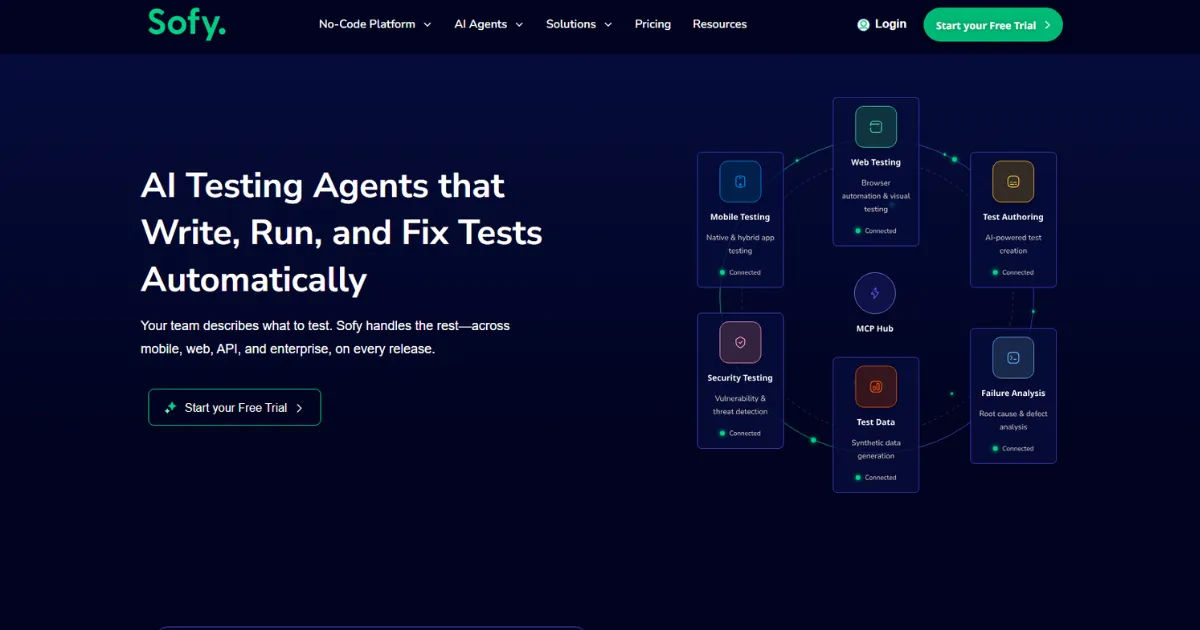
One of the most advanced forms of this approach is self-healing test automation, which helps automated tests identify changes and recover without constant manual updates.Reliable testing is not only about finding bugs.
It is also about ensuring that applications continue to work correctly after new features, updates, or system changes are introduced. Adaptive automation supports this goal by making testing smarter, faster, and more flexible.
Adaptive Test Automation
Adaptive test automation is a testing approach that uses intelligent techniques to adjust test processes based on changes in the application, environment, or testing requirements. Unlike traditional automation, where scripts follow fixed instructions, adaptive systems can analyze situations and make decisions.
Traditional automated tests often depend on specific elements such as button locations, page structures, or code patterns. When developers modify these elements, the tests may fail even when the application is working correctly. This creates unnecessary maintenance work.
Adaptive automation reduces this problem by allowing testing systems to recognize changes and adjust their behavior. It focuses on maintaining reliable test execution even when applications continue to evolve.
Why Reliability Matters in Software Testing
Software reliability directly affects user satisfaction and business success. A small error in an application can lead to customer frustration, financial losses, or damage to a company’s reputation.
Testing reliability means ensuring that:
-
Tests produce accurate results.
-
Important features are checked consistently.
-
False failures are reduced.
-
Software updates do not introduce unexpected problems.
When automated tests are unreliable, development teams spend more time fixing test scripts instead of improving the product. Adaptive approaches help solve this challenge by making automation more resilient.
The Role of Self-Healing Test Automation in Reliability
Self-healing test automation improves reliability by allowing automated testing systems to detect changes and automatically repair broken test steps. Instead of stopping when an element changes, the system can search for alternative ways to complete the test.
For example, if a login button changes its name or location after a website redesign, a traditional test may fail. A self-healing system can recognize similar properties, identify the updated button, and continue running the test.
This ability reduces maintenance efforts and keeps testing processes stable during frequent software updates.
How Adaptive Automation Detects Changes
Adaptive automation relies on advanced analysis techniques to understand application behavior. It can examine different signals, including:
-
User interface patterns
-
Element relationships
-
Application structures
-
Previous testing results
-
Historical changes
By comparing current application conditions with previous information, the system can identify differences and decide whether adjustments are needed.
This makes automated testing more intelligent because it does not depend only on fixed instructions. Instead, it learns from the application environment.
Reducing Test Maintenance Efforts
One of the biggest challenges in automated testing is maintenance. Applications change frequently, and every small update can require multiple test script modifications.
Adaptive systems reduce this workload by automatically handling many common changes. Teams no longer need to manually update every test whenever a minor interface adjustment occurs.
Self-healing test automation is especially useful for large applications where thousands of test cases may exist. Without intelligent automation, maintaining these tests can become expensive and time-consuming.
By reducing repetitive maintenance tasks, developers and testers can focus on improving coverage, performance, and user experience.
Improving Test Accuracy
Reliable testing requires accurate results. A test that frequently fails because of minor changes can create confusion and reduce confidence in automation.
Adaptive automation improves accuracy by understanding whether a failure is caused by a real software issue or simply an environmental change. This helps teams avoid wasting time investigating false alarms.
For example, if a page layout changes but the functionality remains correct, adaptive testing can adjust instead of reporting an unnecessary failure. This creates more trustworthy testing results.
Supporting Continuous Integration and Continuous Delivery
Modern software teams often use continuous integration and continuous delivery practices to release updates quickly. Automated testing plays a major role in these workflows.
However, frequent releases require testing systems that can handle constant changes. Adaptive automation supports faster development cycles by keeping tests functional even as software evolves.
With reliable automation, teams can confidently deploy updates because they receive faster and more accurate feedback about application quality.
Enhancing Testing Across Different Platforms
Applications today run across websites, mobile devices, cloud environments, and different operating systems. Maintaining separate test scripts for every platform can be challenging.
Adaptive automation helps by adjusting to different environments and recognizing platform-specific changes. This allows organizations to achieve better test coverage without creating excessive manual work.
For companies managing multiple applications and devices, this flexibility can significantly improve reliability.
The Connection Between Artificial Intelligence and Adaptive Testing
Artificial intelligence plays an important role in modern adaptive testing. AI-powered systems can analyze large amounts of testing data, recognize patterns, and make smarter decisions.
Machine learning algorithms can study previous test executions and identify common changes. Over time, the system becomes better at predicting possible issues and handling unexpected situations.
Self-healing test automation often uses AI techniques to improve its ability to repair broken test cases. This combination of automation and intelligence creates a stronger testing process.
Benefits of Adaptive Test Automation
Adaptive test automation provides several important advantages for organizations:
Faster Testing Processes
Automated systems can execute tests quickly while adapting to changes. This allows teams to complete testing cycles faster and release products more efficiently.
Lower Testing Costs
Reducing manual maintenance saves time and resources. Teams can spend less effort repairing scripts and more effort improving software quality.
Better Software Quality
Reliable automation helps detect defects earlier and ensures important features continue working correctly after updates.
Increased Team Productivity
Developers and testers can focus on creative problem-solving instead of repeatedly updating outdated test scripts.
Challenges of Implementing Adaptive Automation
Although adaptive automation offers many benefits, organizations should also consider some challenges.
The initial setup may require investment in new tools, training, and process improvements. Teams need to understand how the technology works and how it fits into existing workflows.
Another challenge is ensuring that intelligent systems make accurate decisions. Proper configuration and regular monitoring are necessary to achieve the best results.
Organizations should also maintain a balance between automated testing and human expertise. Human testers provide valuable insights that automated systems may not fully understand.
Best Practices for Using Adaptive Test Automation
To achieve reliable results, teams should follow several best practices:
Choose the Right Automation Tools
The selected platform should support application requirements, testing goals, and existing technology environments.
Maintain Quality Test Data
Adaptive systems perform better when they have access to accurate and meaningful testing information.
Monitor Automated Results
Teams should regularly review test outcomes to ensure the system continues producing reliable feedback.
Combine Automation With Human Testing
Automation improves efficiency, but human testing remains important for usability, creativity, and complex scenarios.
Future of Adaptive Testing
The future of software testing will continue moving toward smarter and more independent systems. As applications become more advanced, testing methods must become more flexible.
Artificial intelligence, machine learning, and advanced analytics will continue improving adaptive automation capabilities. Future testing systems may predict failures before they happen, automatically create new tests, and provide deeper quality insights.
Self-healing test automation will likely become a standard part of modern testing strategies because businesses need faster development without sacrificing reliability.
Conclusion
Adaptive test automation improves reliability by creating testing systems that can respond to change, reduce maintenance problems, and deliver more accurate results. Unlike traditional automation that depends on fixed scripts, adaptive approaches can analyze conditions and adjust their behavior.
By using intelligent methods, organizations can maintain stronger testing processes even when applications change frequently. Self-healing test automation plays a major role in this transformation by repairing broken test cases and reducing unnecessary failures.
As software development continues to become faster and more complex, reliable testing will remain essential. Adaptive automation provides a practical solution for teams that want to improve quality, increase efficiency, and deliver better digital experiences. With the right strategy, tools, and human expertise, adaptive testing can become a powerful foundation for modern software reliability.